
Zero Based Budget vs Envelope System for Beginners: Which One Actually Works?
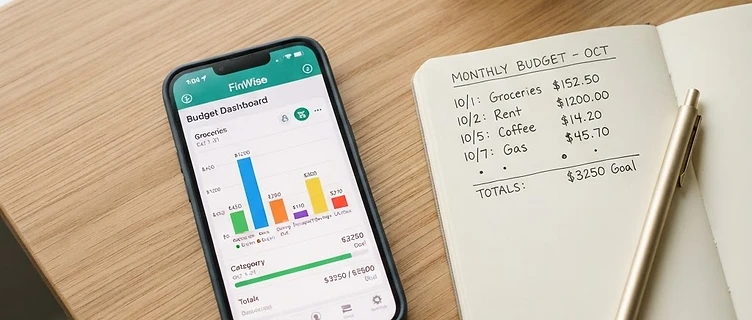
Confused by budgeting methods? We break down the zero based budget vs envelope system for beginners to help you stop overspending and start saving.
Understanding the Core Difference
When you are just starting your financial journey, the sheer number of methods can feel overwhelming. If you are searching for the right path, you have likely encountered the debate of zero based budget vs envelope system for beginners. While both are powerful tools for managing your money, they serve different psychological and practical needs. Understanding these differences is the first step toward building a system that you will actually stick with for the long term.
At its simplest, a zero based budget is a planning philosophy. It requires you to assign every single dollar of your income a specific job before the month begins. This includes your rent, groceries, debt payments, and savings contributions. When your income minus your expenses equals zero, you have successfully created a zero based budget. It is a comprehensive roadmap for your money, ensuring that no dollar is left unassigned or wasted on mindless impulse purchases.
In contrast, the envelope system is a behavioral enforcement tool. It focuses on creating physical or digital boundaries for your spending. You allocate a specific amount of money to a category, such as dining out or groceries, and once that envelope is empty, you stop spending in that category. While a zero based budget tells you what you should do, the envelope system provides the guardrails to ensure you actually do it.
Why Beginners Often Struggle with Budgeting
Many people quit budgeting within the first 60 days because they choose a system that does not match their personality or their specific financial pain points. According to research from NerdWallet, adults who follow a structured budgeting system are twice as likely to hit their savings goals. However, the key is finding the right structure.
If you struggle with impulse spending, you might find that a simple spreadsheet-based zero based budget is not enough. You might know you are over budget, but without a hard stop, it is easy to justify one more purchase. This is where the envelope system shines. By creating friction, it forces you to confront your spending in real-time. If you are interested in learning more about how to curb these habits, check out our guide on how to stop credit card spending in 30 days.
The Zero Based Budget: A Roadmap for Your Money
Zero based budgeting is ideal for those who want complete visibility. It is not just about tracking expenses; it is about intentionality. When you give every dollar a job, you are essentially telling your money where to go instead of wondering where it went at the end of the month.
Pros of Zero Based Budgeting
- Total Clarity: You know exactly how much you have for every category.
- Goal-Oriented: It is excellent for aggressive debt payoff or saving for a specific milestone, such as a home purchase. For more on that, read our tips on down payment savings: how to build yours faster in 2026.
- Flexibility: You can easily shift funds between categories if your priorities change mid-month.
Cons of Zero Based Budgeting
- High Maintenance: It requires regular check-ins and tracking to ensure you stay on plan.
- Lacks Enforcement: It relies heavily on your willpower to stop spending once a category is depleted.
The Envelope System: The Behavioral Guardrail
If you find that you are a visual learner or someone who struggles with the temptation of credit cards, the envelope system might be your best bet. While the traditional method involved physical cash, most people today use digital envelope apps to manage their categories. This provides the same psychological benefit of seeing your "available balance" without the hassle of carrying physical currency.
Pros of the Envelope System
- Built-in Discipline: The hard limit of an empty envelope prevents overspending.
- Real-Time Awareness: You always know exactly what you have left to spend in a specific category.
- Reduced Impulse Purchases: The act of moving money or seeing a balance drop creates a psychological pause that helps you reconsider non-essential buys.
Cons of the Envelope System
- Less Flexible: Moving money between envelopes requires a conscious decision, which can feel restrictive.
- Setup Time: Defining your categories and initial funding amounts takes time at the start of each month.
Can You Combine Them?
The good news is that you do not have to choose just one. In fact, many successful budgeters use a hybrid approach. You can use the zero based budget philosophy to plan your entire month and allocate your income, and then use the envelope system to manage your variable spending categories like groceries, entertainment, and dining out.
By combining these methods, you get the best of both worlds: the comprehensive planning of a zero based budget and the behavioral enforcement of the envelope system. If you find that your spending is driven by emotions, you may also want to explore how to identify emotional spending triggers in daily routines: a practical guide.
Key Takeaways
- Zero based budgeting is a planning tool that assigns every dollar a job, while the envelope system is a behavioral tool that enforces spending limits.
- Zero based budgeting is best for those who want a clear, comprehensive view of their finances and are working toward specific goals.
- The envelope system is highly effective for those who struggle with impulse spending and need a visual, real-time constraint.
- You can combine both methods by using a zero based plan to allocate your income and envelopes to manage your daily variable expenses.
- Consistency is more important than the specific method you choose; pick the one that feels sustainable for your lifestyle.
If you are ready to break the cycle of impulse spending and build a foundation for long-term savings, our 30-Day Zero-Spend Reset workbook provides the step-by-step structure you need to master your habits and transform your relationship with money.
Ready to reset your spending?
Get the 30-Day Zero-Spend Reset Workbook and turn these ideas into a daily action plan.
Start the 30-Day ResetFrequently asked questions
This article is part of the 30-Day Zero-Spend Reset method. Explore the complete day-by-day system behind these ideas.
Read the full guideKeep reading

Join the conversation
Be the first to share your thoughts on this article.