
How to Identify Emotional Spending Triggers in Daily Routines: A Practical Guide

Learn how to identify emotional spending triggers in daily routines to break the cycle of impulse buying and regain control over your financial future.
Understanding the Root of Impulse Purchases
If you have ever found yourself clicking 'buy now' on an item you did not need, only to feel a wave of regret hours later, you are not alone. Learning how to identify emotional spending triggers in daily routines is the most effective way to stop the cycle of impulse buying. Many people view spending as a simple math problem, but for most, it is a psychological one. When you understand the 'why' behind your purchases, you can stop relying on willpower alone and start building sustainable habits.
What Is an Emotional Spending Trigger?
A spending trigger is any cue that sets off an unplanned purchase. These cues are often subtle, rooted in your environment, your schedule, or your internal emotional state. According to U.S. Bank, impulse buys are frequently made for emotional reasons rather than practical ones. The pleasure derived from these purchases is usually fleeting, failing to address the underlying feeling that prompted the spending in the first place.
Triggers generally fall into three categories:
- Emotional: Feelings like stress, boredom, loneliness, or even excitement.
- Situational: Specific times of day, locations, or routines, such as browsing shopping apps while lying in bed.
- Marketing and Social: External pressures like limited-time sales, targeted ads, or social comparison.
How to Track Your Spending Patterns
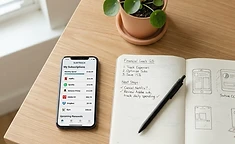
You cannot change what you do not measure. To identify your specific triggers, you need to gather data on your own behavior. You do not need a complex system; a simple notes app or a small notebook will suffice. For the next 30 days, track every unplanned purchase using these four data points:
- The Context: Where were you and what time was it?
- The Feeling: How were you feeling in your body and mind before the purchase?
- The Need: What were you hoping the purchase would provide? (e.g., comfort, control, or a reward).
- The Outcome: How did you feel immediately after the purchase?
By keeping this log, you will likely notice that your spending is not random. It is often a response to specific stressors. If you find that your spending is tied to work-related anxiety, you might find our guide on the psychology of spending money when bored at work particularly helpful for identifying those specific office-based patterns.
Common Triggers to Watch For
As you review your log, look for recurring themes. Many people find that their spending is tied to one of these common emotional states:
- Stress Spending: Buying for relief after a difficult day or a high-pressure meeting.
- Boredom Spending: Using shopping as a form of entertainment when life feels stagnant.
- Celebration Spending: The 'I earned this' purchase that often exceeds your budget.
- Revenge Spending: Spending to reclaim a sense of control after a disappointment or a setback.
If you are struggling to differentiate between necessary expenses and emotional ones, it may be time to calculate your true hourly cost of purchases. This exercise often provides the perspective needed to pause before clicking checkout.
How to Disrupt the Cycle
Once you have identified your triggers, you can create 'friction' to stop the impulse. If you know you tend to shop when you are bored, delete your shopping apps or unsubscribe from marketing emails. If you shop when you are stressed, create a 'pre-purchase' ritual. This could be a ten-minute walk, a glass of water, or a quick phone call to a friend. The goal is to create a pause between the urge and the action.
If you find that your spending is often tied to social situations or the pressure to keep up with others, consider reading our tips on frugality hacks for social events during a no-spend challenge. Learning to navigate these moments without spending is a key skill in long-term financial health.
Key Takeaways
- Track your data: Use a journal to record the time, place, and emotion behind every unplanned purchase for at least two weeks.
- Look for patterns: Identify the recurring situations or feelings that consistently lead to spending.
- Create friction: Add barriers between yourself and the 'buy' button to give your rational brain time to catch up.
- Practice self-compassion: Slips are normal. The goal is to learn from the data, not to judge yourself for past mistakes.
If you are ready to take the next step in breaking these habits, our 30-Day Zero-Spend Reset workbook provides a structured, day-by-day framework to help you identify your triggers, build new routines, and finally gain control over your impulse spending.
Ready to reset your spending?
Get the 30-Day Zero-Spend Reset Workbook and turn these ideas into a daily action plan.
Start the 30-Day ResetFrequently asked questions
This article is part of the 30-Day Zero-Spend Reset method. Explore the complete day-by-day system behind these ideas.
Read the full guideKeep reading





Join the conversation
Be the first to share your thoughts on this article.