
Best Ways to Automate Savings During a 30 Day Spending Detox
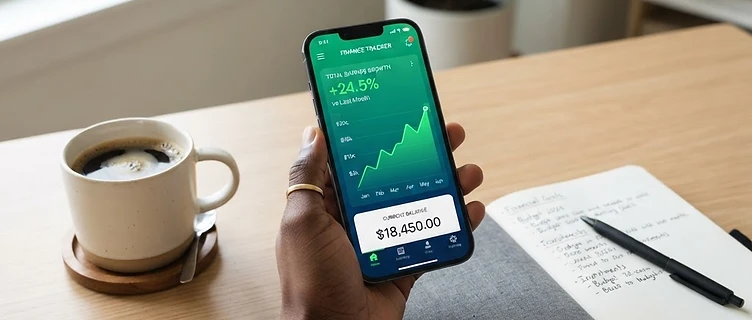
Discover how to leverage automation to protect your progress during a 30-day spending detox. Learn the best strategies to build wealth while breaking bad habits.
Embarking on a 30-day spending detox is a powerful way to reset your relationship with money. However, willpower alone is rarely enough to sustain long-term financial health. The best ways to automate savings during a 30 day spending detox involve removing the decision-making process entirely, ensuring that your hard-earned money is funneled toward your future before you have the chance to spend it on impulse purchases. By shifting your focus from what you cannot buy to what you are actively building, you turn a period of restriction into a period of growth. When you automate your finances, you effectively pay yourself first, which is a cornerstone of the complete zero-spend reset method. This strategy ensures that your savings goals are met regardless of how you feel on any given day. If you are struggling with the emotional side of this process, consider reading about Spending Triggers: Pause the Urge, Reset With Compassion in 30 Days to better understand why you feel the need to spend. ## The Power of Set and Forget Savings The primary goal of a spending detox is to break the cycle of mindless consumption. Automation acts as your safety net. When you rely on manual transfers, you are forced to make a conscious decision to save every single time. This creates friction and leaves room for negotiation with yourself. According to Forbes Advisor, automation takes the conscious decision to save versus spend off your plate. By making the process automatic, you remove the temptation to spend money that should be allocated toward your financial goals. ## 1. Direct Deposit Splitting The most effective way to automate your savings is through direct deposit splitting. Most employers allow you to divide your paycheck into multiple accounts. By having a portion of your income sent directly to a high-yield savings account, the money never even touches your primary checking account. This is the ultimate form of financial discipline because the funds are invisible to your daily spending habits. As noted by Middle Class Finance, this method is superior because the money never appears in your spending account, effectively eliminating the possibility of accidental overspending. ## 2. Strategic Auto Transfers If your employer does not support split deposits, the next best option is to set up recurring transfers through your bank. The key here is timing. Schedule these transfers to occur the day after your payday. This ensures that your savings are prioritized before your monthly bills or discretionary spending can erode your balance. U.S. News highlights that setting up automatic transfers reduces friction and dramatically increases the chances that you will meet your savings goals. To make this even more effective, keep your savings at a separate institution from your checking account. This added layer of friction prevents you from making impulsive withdrawals when you feel the urge to break your detox. ## 3. Percentage Based Automation For those with variable income, such as freelancers or commission-based workers, fixed-amount transfers can be difficult to manage. Many modern banks now offer percentage-based automation. This allows you to move a set percentage of every deposit into your savings account. This approach is highly scalable. As your income grows, your savings grow proportionally without you having to manually adjust your settings. This is a great way to ensure you are consistently saving without feeling like you are constantly tightening your belt, as discussed by Finax.eu. ## 4. Roundups and Micro-Savings While not a replacement for primary savings, roundup features can be a helpful supplement during a 30-day detox. These tools round up your debit card purchases to the nearest dollar and deposit the difference into a savings account. While the amounts may seem small, they add up over time and provide a psychological win. Seeing your savings grow, even in small increments, reinforces the positive behavior you are trying to cultivate during your detox. If you find that your grocery spending is the main culprit for your budget leaks, check out How to Manage Grocery Budget Inflation Without Sacrificing Nutrition for tips on how to keep those costs down while you automate the rest. ## Maintaining Momentum Beyond the 30 Days The goal of a 30-day detox is to build habits that last a lifetime. Once you have automated your savings, you have created a system that works for you even when you are not thinking about it. This is the essence of financial freedom. As you move past your 30-day challenge, you may find that you have more room in your budget than you realized. Be careful not to fall into the trap of lifestyle creep. For guidance on how to handle your newfound financial stability, read How to Budget for Lifestyle Inflation After Debt Payoff: A Sustainable Guide. ### Key Takeaways - Use direct deposit splitting to ensure savings are moved before you see them. - Schedule automatic transfers for the day after payday to prioritize your future self. - Keep savings in a separate bank to add friction against impulsive spending. - Use percentage-based transfers if your income fluctuates. - Automation is a tool to remove the emotional burden of decision-making. If you are ready to take control of your finances and build lasting habits, our 30-Day Zero-Spend Reset workbook provides the structure and daily guidance you need to succeed. It is designed to help you identify your spending triggers, automate your savings, and build a sustainable financial future.
Ready to reset your spending?
Get the 30-Day Zero-Spend Reset Workbook and turn these ideas into a daily action plan.
Start the 30-Day ResetFrequently asked questions
This article is part of the 30-Day Zero-Spend Reset method. Explore the complete day-by-day system behind these ideas.
Read the full guideKeep reading


Join the conversation
Be the first to share your thoughts on this article.