
Zero Spend Weekend Ideas: Plan in 30 Minutes, Spend Nothing

Plan a zero spend weekend in 30 minutes with free activities, quick scripts, pantry first meal tips, and evidence on shared leisure and wellness.
Zero Spend Weekend Ideas: Plan in 30 Minutes, Spend Nothing
Yes, you can have an enjoyable, zero-spend weekend. Pick from five categories: outdoor adventures, at-home projects, social connection, creative learning, and real rest, then spend 30 minutes planning before Friday night hits. These activities support genuine wellbeing, not just a smaller bank statement, and a short plan is what keeps the weekend from sliding into impulse spending.
TL;DR:
- On Thursday, inventory pantry and freezer, plan two meals, and schedule three activities: one outdoor option, one home project, and one social or rest choice.
- Check library event pages and parks calendars early, then confirm local rules for free passes or admission days because availability varies by location.
- Give creative projects a finish line: spend 30 to 60 minutes on one measurable goal, such as taking ten themed photos or writing 500 words.
- Build in one active block before resting, and use a consistent bedtime with no screens for the final 30 minutes to avoid idle scrolling.
- Research associates physical, social, and mindfulness activities with better health ratings, but findings are correlational and vary by activity type.
Table of Contents
- 1. Outdoor and neighborhood adventures
- 2. At-home projects and entertainment that feel different
- 3. Social, community, and skill-share ideas that cost nothing
- 4. Creative, learning, and self-improvement ideas
- 5. Rest, mindfulness, and low-effort self-care
- 6. How to plan a successful no-spend weekend
- 7. Research-backed benefits of activity-based leisure
- 8. A small experiment, not a sacrifice
- 9. Turning one weekend into a 30-day reset
- FAQ
- Sources
1. Outdoor and neighborhood adventures
A walk becomes an adventure the moment you give it a theme. Pick a color and photograph every object that matches it, or trace a route shaped like a letter of your name on a map app. Kids and adults both respond to a scavenger hunt format: ten items, one hour, no car required.

Local free events are easier to find than most people realize. Check your library's event page first, since most branches post weekend programs weeks in advance. Municipal parks departments publish seasonal calendars with free concerts, guided hikes, and seasonal festivals. Community Facebook groups and Meetup often list free pop-up markets or group walks that never make it onto official city sites.
A little prep keeps the outing free and comfortable:
- Pack water and snacks from home instead of buying them en route.
- Check the weather and bring layers rather than relying on a café for warmth.
- Tell someone your route if you're walking alone or exploring somewhere new.
- Choose a loop route so you always end up back at your starting point.
For households with limited mobility, a short porch or balcony scavenger hunt or a slow stroll around the block works just as well as a long hike. The goal is novelty and movement, not distance.
Pro Tip: Screenshot three local event listings on Thursday night so you're not scrambling to find plans Saturday morning.
2. At-home projects and entertainment that feel different
A weekend at home doesn't have to feel like a rerun of Tuesday night. These three ideas use only what you already have.
- Run a pantry challenge. Pull everything from your pantry and freezer and build two meals around it: a grain bowl using whatever vegetables and canned beans are on hand, a soup that absorbs odds and ends like half a bag of rice or frozen peas, or a "clean out the fridge" stir-fry.
- Host a themed movie or game night. Pick a decade, a director, or a board game marathon, then make snacks from pantry staples like popcorn with spice blends you already own.
- Tackle one drawer or one shelf. A single junk drawer or bookshelf gives visible progress in under an hour, and donating or repurposing what you find costs nothing while clearing mental clutter.
These projects work because they produce something: a finished meal, a cleared shelf, a memorable evening, not just hours passed. Our zero-spend guide includes pantry-first meal planning worksheets if you want a repeatable structure for this part of the weekend.
3. Social, community, and skill-share ideas that cost nothing
Connection doesn't require a tab at a restaurant. Many public library systems offer museum pass programs you can reserve online, and some cities run family days with free admission to local attractions, worth checking even if availability and rules vary by location, as seen in Boston's Family Days program.
Low-barrier social options work better than planning a big event:
- Text one friend and suggest a specific free activity instead of a vague "let's hang out."
- Host a clothing or book swap where everyone brings what they no longer want.
- Organize a potluck where each person brings one dish, splitting the cost across the group.
- Offer to teach a skill you know, like basic bike repair or sourdough starter care, in exchange for someone teaching you theirs.
Volunteer micro-shifts also fit neatly into a weekend. Food banks, animal shelters, and park cleanup crews often need two or three hours of help on a Saturday, and most list openings through VolunteerMatch or a city's volunteer services page.
Pro Tip: Invite people to something specific and time-bound, like "walk at 10 AM Saturday," rather than an open-ended offer that's easy to skip.
4. Creative, learning, and self-improvement ideas
Short, focused practice blocks beat vague ambition every time. Set a timer for 30 to 60 minutes and give yourself one measurable goal, not "work on photography" but "take ten photos on a single theme."
- Write a short story or personal essay. Aim for 500 words and finish it in one sitting rather than letting it stretch across the weekend.
- Curate a playlist around a mood or memory. This forces active listening and often surfaces songs you'd forgotten you loved.
- Learn a micro-skill from a free resource. Many public libraries offer free digital courses, audiobooks, and streaming lessons, and reputable open platforms host short tutorials on everything from knife skills to watercolor basics.
The finish line matters more than the scope. A small, completed project feels better by Sunday night than an ambitious one left half-done.
5. Rest, mindfulness, and low-effort self-care
Rest counts as a legitimate way to spend a zero-spend weekend, not a failure to plan something better.
- Try a free guided meditation or nature-sounds recording from a library app or a reputable open platform.
- Run a DIY spa evening with a face mask you already have, a warm bath, and your phone on airplane mode.
- Set a consistent wind-down routine the night before: dim lights, no screens for the last 30 minutes, same bedtime both nights.
- Pair rest with one active block earlier in the day so stillness doesn't tip into restlessness or boredom.
Mixing a slow morning with an afternoon walk or a social hour keeps the weekend balanced instead of letting rest turn into idle scrolling.
6. How to plan a successful no-spend weekend
A short plan on Thursday or Friday prevents most of the impulse spending that derails a zero-spend weekend.
- Inventory your food Thursday night. Plan two meals from what's already in your pantry and freezer so Saturday morning doesn't become a grocery run.
- Pick three activities and put them on your calendar. Choose one outdoor option, one at-home project, and one social or rest activity so you're never stuck wondering what to do.
- Add friction to spending. Move your cards out of your wallet, delete a shopping app, or set a phone reminder that pops up before checkout. Build in one comfortable exception, like a $5 cap for something small, so the rule doesn't feel punishing.
Pro Tip: Write your three activities on a sticky note where you'll see them Saturday morning, since a plan you have to remember is a plan you'll skip.
7. Research-backed benefits of activity-based leisure
Leisure activities, especially physical, social, and mindfulness-based ones, are linked to better self-perceived physical and mental health, according to MIDUS research on leisure and health, though the strength of that link varies by activity type and the findings are correlational.
Participants in activity-based communities report substantially higher likelihood of strong social support and high life satisfaction compared with non-participants, according to a program summary on leisure activities and health benefits. Physical activity tends to track more closely with perceived physical health, while social activities associate more strongly with perceived mental health. Repeatable, low-stakes routines like a weekly walk or a standing potluck build social connection more reliably than one big event, since shared play creates community through familiarity rather than deliberate effort.

8. A small experiment, not a sacrifice
I treat a zero-spend weekend as a small, repeatable experiment rather than a test of willpower. One weekend proves almost nothing on its own, but a monthly version starts to reveal your actual spending triggers: boredom, stress, habit, or genuine need.
Small wins compound; tracking your savings rate can reveal how these small changes add up over time. A weekend that goes well gives you evidence that the next one will too, which is most of what habit change runs on. Adapt the rules to your life, skip the ones that don't fit, and spend ten minutes afterward noting what felt easy and what you reached for your wallet during.
, Omar
9. Turning one weekend into a 30-day reset
One good weekend shows you it's possible. A structured system is what makes it repeatable.
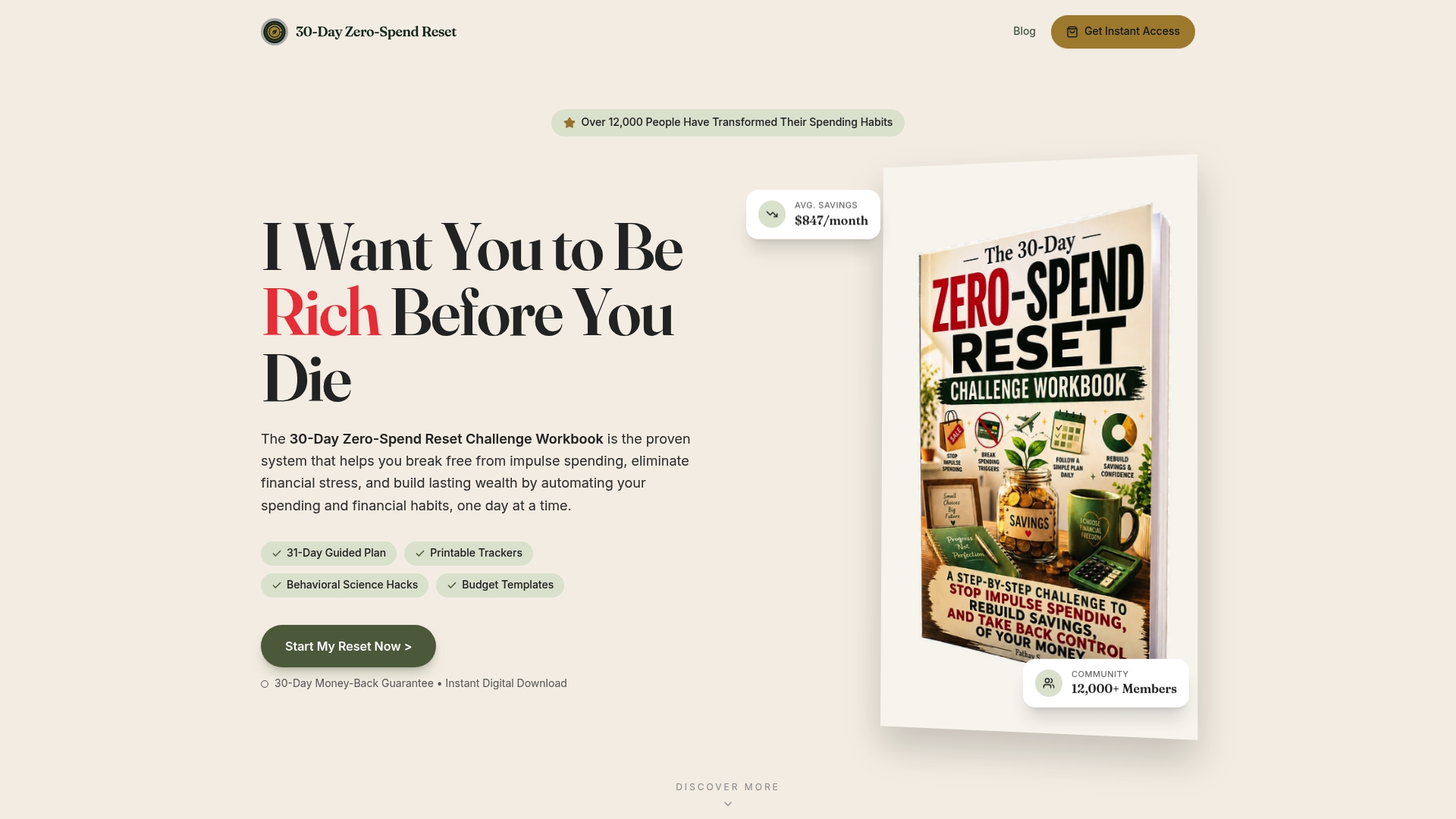
The 30-Day Zero-Spend Reset Challenge Workbook offers daily challenges, printable trackers, pantry-first meal plans, and social scripts for the money conversations that usually derail a budget. It's built on the same behavioral groundwork: remove friction, replace impulse with a plan, and track what you skip instead of just what you spend. Readers who want extra templates and tools beyond the core workbook can add the Zero-Spend Accelerator Vault. Start with the 30-Day Zero-Spend Reset Challenge Workbook when you're ready to turn one weekend into a lasting habit.
FAQ
What can you do on the weekend with no money?
You can walk a themed route, host a pantry-based meal with friends, visit a free library event, or tackle a small home project like clearing one shelf. Free local events through library and parks department calendars are often the easiest starting point.
How do I have fun with no money?
Pick an activity that involves movement, connection, or creativity rather than consumption, since those are the categories most linked to enjoyment and wellbeing. A themed walk, a board game night, or a potluck swap all work well because they create a shared experience rather than a purchase.
What is fun that doesn't cost money?
Scavenger hunt walks, DIY spa evenings, skill-shares with a friend, and short creative projects like writing 500 words or curating a playlist all count. The common thread is a clear, small goal you can finish within the weekend.
What are some fun things I can do without spending too much money?
Potlucks where each person brings one dish, volunteer micro-shifts of two or three hours, and free museum or library pass programs all stretch a weekend without stretching a budget. Checking your library's event page and your city's parks calendar on Thursday usually turns up several free options for Saturday.
Sources
- MIDUS research paper on leisure activities and health (2024)
- When adults embrace play, they create community (Greater Good, 2026)
- Leisure activities and health benefits (program summary)
Recommended
Ready to reset your spending?
Get the 30-Day Zero-Spend Reset Workbook and turn these ideas into a daily action plan.
Start the 30-Day ResetThis article is part of the 30-Day Zero-Spend Reset method. Explore the complete day-by-day system behind these ideas.
Read the full guideKeep reading


Join the conversation
Be the first to share your thoughts on this article.