
How to Manage Grocery Budget Inflation Without Sacrificing Nutrition
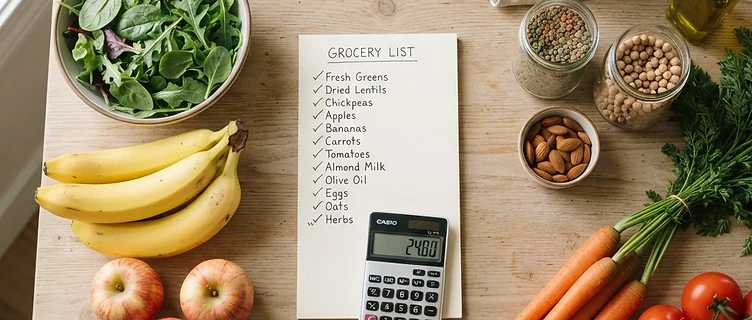
Learn practical, expert-backed strategies to navigate rising food costs while maintaining a healthy diet. Discover how to shop smarter, reduce waste, and protect your wallet.
Mastering Your Grocery Budget in an Inflationary Environment
Learning how to manage grocery budget inflation without sacrificing nutrition is a challenge many households face today. As food prices fluctuate, the temptation to switch to cheaper, processed alternatives often grows. However, maintaining a healthy diet does not require a massive budget. By shifting your approach from reactive spending to proactive planning, you can protect both your health and your bank account.
The Foundation: Planning Before You Shop
The most effective way to control costs is to stop shopping without a strategy. Impulse purchases are the primary enemy of a tight budget. Before you head to the store, conduct a thorough inventory of your pantry, refrigerator, and freezer. Using what you already have is the fastest way to lower your bill.
Once you know your inventory, create a meal plan based on those items. This prevents the common trap of buying ingredients for a single meal that then sit unused. If you find yourself struggling to keep track of your spending habits, consider using a 30 Day Plan to Track Cash Spending With Copy Ready Templates to gain clarity on where your money is actually going.
Smart Shopping Strategies
Where you shop and what you put in your cart matters. Experts often suggest shopping the perimeter of the store, where fresh produce, meats, and dairy are typically located. While processed foods in the center aisles may seem convenient, they often carry a higher price tag for lower nutritional value.
Embrace Store Brands
Generic or store-brand items are often manufactured in the same facilities as name-brand products. For staples like flour, sugar, oats, and canned beans, the quality difference is negligible, but the price difference can be significant.
Leverage Bulk and Frozen Options
Frozen vegetables are picked at peak ripeness and are often more affordable than their fresh counterparts, especially out of season. Avoid frozen items with added sauces or seasonings, as these add unnecessary sodium and cost. Additionally, buying staples like brown rice, lentils, and dried beans in bulk can provide high-fiber, nutrient-dense meals for a fraction of the cost of pre-packaged versions.
Reducing Waste to Save Money
Food waste is essentially throwing money directly into the trash. If you buy fresh produce, ensure you have a plan to use it within the first few days of your shopping trip. If you cannot finish it, freeze it for later use in soups or smoothies. For more actionable advice on this, read our guide on how to Cut $14 a Week Food Waste and Lower Your Grocery Bill in Two Weeks.
Navigating Social and Psychological Barriers
Sometimes, the pressure to spend comes from outside sources. Whether it is dining out with friends or feeling the need to buy expensive "health" trends, social pressure can derail your budget. Learning to set boundaries is essential. If you find that your social life is impacting your ability to save, check out our tips on How to Overcome FOMO Spending With Friends Who Earn More.
Remember that healthy eating is about consistency, not perfection. You do not need to buy organic everything to be healthy. Prioritize eating fruits and vegetables in any form over skipping them entirely because they do not fit a specific budget category.
Key Takeaways
- Inventory your pantry and freezer before creating a meal plan to avoid duplicate purchases.
- Prioritize whole foods and store brands over processed, name-brand items.
- Use frozen vegetables to get high nutritional value at a lower price point.
- Shop with a strict list to eliminate impulse buys.
- Focus on reducing food waste by using leftovers and freezing perishables before they spoil.
If you are ready to take control of your finances and break the cycle of impulse spending, our 30-Day Zero-Spend Reset workbook provides the structure and behavioral tools you need to build lasting savings habits while keeping your grocery budget in check.
Ready to reset your spending?
Get the 30-Day Zero-Spend Reset Workbook and turn these ideas into a daily action plan.
Start the 30-Day ResetFrequently asked questions
This article is part of the 30-Day Zero-Spend Reset method. Explore the complete day-by-day system behind these ideas.
Read the full guideKeep reading


Join the conversation
Be the first to share your thoughts on this article.