
How to Stop Impulse Spending on Digital Games During a No Spend Month
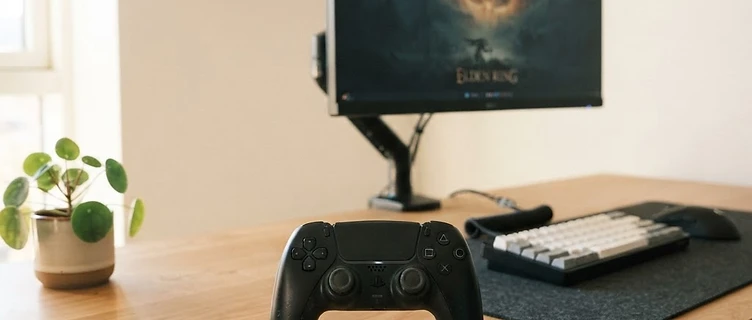
Learn how to break the cycle of digital gaming impulse buys with actionable strategies designed to help you succeed during your 30-day no-spend challenge.
Understanding the Digital Gaming Impulse
Learning how to stop impulse spending on digital games during a no spend month is one of the most effective ways to reclaim your budget. Digital games are uniquely dangerous to your finances because they remove the physical friction of handing over cash. With a single click, you can download a new title, purchase in-game currency, or unlock a season pass. This seamless transaction process bypasses the logical part of your brain, turning a moment of boredom or stress into an immediate financial drain. When you commit to a no-spend challenge, you are essentially reintroducing the pause between desire and action that digital storefronts work so hard to eliminate.
Why Gaming Spending Feels Different
Unlike physical goods, digital games often provide an immediate endorphin hit. Whether it is the excitement of a new release or the perceived value of a limited-time sale, these purchases are often driven by emotional triggers rather than a genuine need for entertainment. As noted by experts, spending money can act as a temporary distraction from real emotions, providing a fleeting sense of satisfaction that quickly fades into regret. If you find yourself browsing game stores when you are stressed, bored, or seeking a reward, you are likely using gaming as a coping mechanism rather than a hobby. Recognizing this pattern is the first step toward identifying emotional spending triggers in bank statements.
Practical Tactics to Stop the Digital Spend
To succeed in your no-spend month, you must create structural barriers that make impulse buying difficult. Relying on willpower alone is rarely enough when the temptation is just a few taps away.
1. Remove Payment Methods
The most effective way to stop digital spending is to remove your saved credit card information from your console or PC storefront. If you have to manually enter your card details every time you want to make a purchase, you create a mandatory pause. This 30-second window is often enough for your rational brain to catch up and ask if the purchase is truly necessary.
2. Delete the Storefront Apps
If you have gaming store apps on your phone, delete them. These apps are designed to send you notifications about sales and new releases, keeping the temptation front and center. By removing the app, you remove the constant stream of marketing that triggers your impulse to buy.
3. The 72-Hour Rule
If you see a game you desperately want, force yourself to wait 72 hours. Write the title down on a physical list. Often, the intense desire to own the game will dissipate once the initial emotional spike passes. If you still want the game after the no-spend month is over, you can evaluate it as a planned purchase rather than an impulse buy. This is a core component of the complete zero-spend reset method.
Managing the Boredom Gap
When you stop buying new games, you may find yourself facing a boredom gap. This is the time you previously filled with the excitement of a new purchase. Instead of filling this gap with more spending, look at your existing library. Most of us have a backlog of games we have purchased but never finished. Revisit these titles. You have already paid for them, and they offer the same entertainment value as a new release without the cost. If you find yourself struggling with the urge to spend, consider how to prevent a spending relapse after a reset by finding free, non-monetary ways to engage your brain, such as reading, exercising, or learning a new skill.
Reframing Your Gaming Habits
During your no-spend month, treat your gaming habits with the same scrutiny you would apply to any other discretionary category. If you are spending money on microtransactions or loot boxes, recognize these for what they are: recurring costs that provide diminishing returns. If you find that your gaming spending is tied to social pressure or a need to keep up with friends, it may be time to have an honest conversation about your financial goals. Just as you might need to handle social pressure to spend money on group travel while saving, you can set boundaries with your gaming friends by suggesting free multiplayer games or alternative activities that do not require a financial commitment.
Key Takeaways
- Remove all saved payment methods from digital storefronts to create friction.
- Delete gaming store apps from your phone to avoid sale notifications.
- Use the 72-hour rule to ensure a purchase is planned rather than impulsive.
- Revisit your existing game library instead of buying new titles.
- Identify the emotional triggers, such as boredom or stress, that lead to gaming purchases.
If you are ready to take control of your finances and break the cycle of impulse spending for good, our 30-Day Zero-Spend Reset workbook provides the structure and daily guidance you need to build lasting habits and reach your savings goals.
Ready to reset your spending?
Get the 30-Day Zero-Spend Reset Workbook and turn these ideas into a daily action plan.
Start the 30-Day ResetFrequently asked questions
This article is part of the 30-Day Zero-Spend Reset method. Explore the complete day-by-day system behind these ideas.
Read the full guideKeep reading




Join the conversation
Be the first to share your thoughts on this article.