
How to Identify Emotional Spending Triggers in Bank Statements for Beginners
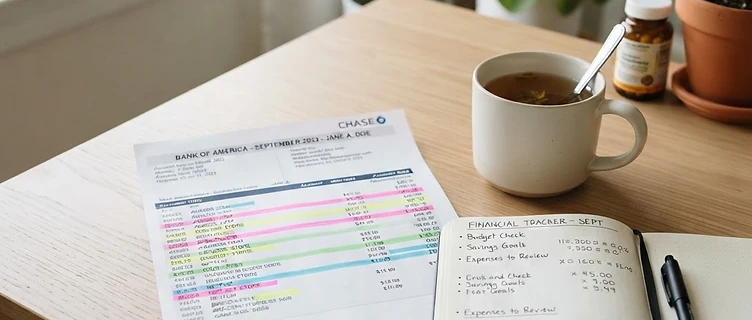
Learn how to decode your bank statements to uncover the hidden emotional patterns driving your impulse purchases and regain control of your finances.
Understanding the Link Between Emotions and Spending
If you have ever looked at your bank statement and wondered where your money went, you are not alone. Many people struggle with impulse purchases that seem to appear out of nowhere. Learning how to identify emotional spending triggers in bank statements for beginners is the first step toward breaking the cycle of reactive spending. Emotional spending is not a character flaw. It is a common human response to stress, boredom, or even a desire for comfort. When you learn to view your transactions as data points rather than evidence of failure, you can start to see the patterns that dictate your financial life.
What Are Emotional Spending Triggers?
A spending trigger is any internal feeling or external situation that prompts you to spend money impulsively. According to experts, these triggers often fall into two categories: emotional and situational. Emotional triggers are tied to your internal state, such as feeling stressed after a long workday, anxious about a relationship, or bored on a weekend afternoon. Situational triggers are environmental, such as receiving a flash sale email or walking past a favorite store. When these two forces combine, they create a powerful urge to seek a quick dopamine hit through a purchase.
The Anatomy of a Spending Habit Loop
To understand your spending, you must look at the habit loop: the cue, the routine, and the reward. The cue is the trigger, the routine is the act of buying, and the reward is the temporary relief or excitement you feel. By analyzing your bank statements, you can work backward from the purchase to identify the cue. If you find yourself frequently spending on takeout on Tuesday nights, the cue might be the exhaustion of a long work week. Recognizing this pattern is essential for building a financial reset plan.
Step-by-Step: Analyzing Your Bank Statements
To begin your audit, gather your bank statements from the last three months. Do not look for "bad" spending yet. Instead, look for patterns. Use these steps to uncover your triggers:
1. Categorize by Timing
Look for recurring dates or times. Do you see a spike in spending every Friday evening? This might indicate a "reward" trigger after a stressful week. If you see late-night purchases, you might be dealing with boredom or insomnia-driven shopping.
2. Identify the "Comfort" Categories
Highlight transactions that were not essential. Are they mostly food delivery, digital subscriptions, or retail therapy? These categories often serve as emotional regulation tools. If you are struggling with recurring charges, consider using a cancel subscription script to remove the temptation.
3. Cross-Reference with Your Calendar
Compare your high-spending days with your personal calendar. Did you have a difficult meeting that day? Were you feeling lonely or overwhelmed? Often, the most significant spending happens on days when your emotional bandwidth was lowest.
Moving From Judgment to Curiosity
It is easy to feel shame when reviewing past financial mistakes. However, shame is a barrier to progress. If you feel overwhelmed, remember that you are simply gathering information. If you have experienced a recent setback, read about how to overcome the shame of financial setbacks after a spending binge to help shift your perspective. When you stop treating your bank statement as a report card, you can start treating it as a map that shows you exactly where you need to build more support.
Practical Strategies to Manage Triggers
Once you have identified your triggers, you do not need to eliminate them entirely. Instead, focus on creating "healthy friction." If you know that stress leads to online shopping, delete your saved credit card information from your browser. If boredom leads to browsing, replace the habit with a non-monetary activity. For those who find the process of tracking difficult, a budgeting without apps approach can provide a more tactile, mindful connection to your money.
Key Takeaways
- Emotional spending is a form of emotional regulation, not a sign of being bad with money.
- Use your bank statements to look for patterns in timing, category, and frequency.
- Cross-reference your spending spikes with your calendar to identify the emotional state you were in at the time.
- Replace the "reward" of spending with a non-monetary activity that addresses the same emotional need.
- Shift your mindset from judgment to curiosity to make sustainable changes.
If you are ready to take control of your financial habits and build a more intentional relationship with your money, consider starting the 30-Day Zero-Spend Reset. This workbook provides the structure and guidance you need to break the cycle of impulse spending and build lasting savings.
Ready to reset your spending?
Get the 30-Day Zero-Spend Reset Workbook and turn these ideas into a daily action plan.
Start the 30-Day ResetFrequently asked questions
This article is part of the 30-Day Zero-Spend Reset method. Explore the complete day-by-day system behind these ideas.
Read the full guideKeep reading





Join the conversation
Be the first to share your thoughts on this article.