
How to Build a Sinking Fund for Non-Essential Lifestyle Goals
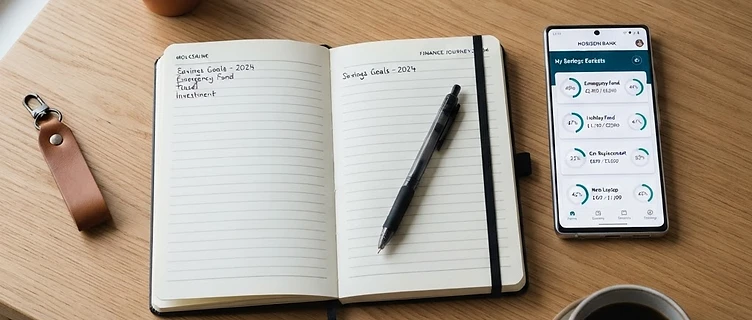
Learn how to build a sinking fund for non-essential lifestyle goals to stop impulse spending and fund your dreams without debt.
Understanding the Power of Sinking Funds
If you have ever felt the sting of a surprise expense or the guilt of putting a vacation on a credit card, you are not alone. Learning how to build a sinking fund for non-essential lifestyle goals is one of the most effective ways to reclaim your financial freedom. Unlike an emergency fund, which is designed for the unexpected, a sinking fund is a proactive tool used to save for specific, planned expenses over time. By setting aside small, regular amounts, you transform large, intimidating costs into manageable monthly contributions.
Why You Need Sinking Funds for Lifestyle Goals
Many people struggle with impulse spending because they lack a clear plan for their discretionary income. When you do not have a designated place for your 'fun' money, it often disappears into small, unmemorable purchases. Sinking funds provide the structure needed to prioritize what actually matters to you. Whether you are saving for a dream trip, a new hobby, or a home upgrade, these funds act as a buffer that prevents you from relying on high-interest debt when the time comes to pay.
If you find that your spending habits are currently driven by late-night browsing or emotional triggers, it may be time to stop the sleepy scroll before checkout. By redirecting that energy into a sinking fund, you turn a negative habit into a positive savings milestone.
Step 1: Identify Your Non-Essential Goals
Start by listing the lifestyle goals that bring you genuine joy. These are not your rent or utility bills. Instead, focus on the 'nice to haves' that you often feel guilty about buying. Common examples include:
- Annual music festival tickets
- Upgrading your camera gear or hobby equipment
- A weekend getaway or international vacation
- Holiday gift budgets
- Home decor refreshes
Review your bank statements from the last six to twelve months to see where your discretionary money has been leaking. If you notice a pattern of recurring non-essential spending, that is a prime candidate for a new sinking fund category.
Step 2: Estimate Costs and Set Deadlines
Once you have your list, you need to get specific. A goal without a deadline is just a wish. Research the total cost of your goal and determine when you need the funds. For example, if you want to save $1,200 for a vacation in ten months, you know exactly what your target is. If you are currently struggling to manage your cash flow, consider using the complete zero-spend reset method to free up the necessary capital to jumpstart these accounts.
Step 3: Calculate Your Monthly Contribution
Take your total goal amount and divide it by the number of months until your deadline. Using the vacation example, $1,200 divided by 10 months equals $120 per month. This is your 'sinking fund payment.' Treat this like a non-negotiable bill. When you automate these transfers, you remove the willpower required to save, making it much easier to stay on track.
Step 4: Choose Your Savings Vehicle
Where you keep your money matters. While a standard savings account works, many modern banks offer 'buckets' or 'sub-savings accounts' that allow you to label your money. This visual separation is powerful. It prevents you from accidentally spending your vacation fund on a routine grocery run. If you are still finding it difficult to keep your savings separate from your daily spending, you might need to automate savings during a 30 day spending detox to build the discipline required for long-term success.
Step 5: Celebrate and Adjust
Building a sinking fund is a marathon, not a sprint. When you hit a milestone, acknowledge it. Celebrating small wins keeps you motivated to continue the habit. If your income fluctuates, do not be afraid to adjust your contributions. The goal is consistency, not perfection. If you have a month where you cannot hit your full target, save what you can and get back on track the following month.
Key Takeaways
- Sinking funds are for planned, non-essential expenses, while emergency funds are for the unexpected.
- Identify your goals by reviewing past spending and assigning a specific dollar amount to each.
- Divide your total goal by the number of months until your deadline to find your monthly contribution.
- Automate your savings to ensure the money is moved before you have a chance to spend it.
- Use labeled savings buckets to keep your lifestyle goals separate from your daily operating cash.
If you are ready to break the cycle of impulse spending and build a foundation for your future goals, the 30-Day Zero-Spend Reset workbook provides the behavioral framework you need to stop the leaks in your budget and start funding the life you actually want to live.
Ready to reset your spending?
Get the 30-Day Zero-Spend Reset Workbook and turn these ideas into a daily action plan.
Start the 30-Day ResetFrequently asked questions
This article is part of the 30-Day Zero-Spend Reset method. Explore the complete day-by-day system behind these ideas.
Read the full guideKeep reading





Join the conversation
Be the first to share your thoughts on this article.