
The Ultimate Zero-Spend Month Survival Guide for Families: Reset Your Finances

Learn how to navigate a 30-day no-spend challenge with children, manage grocery costs, and find free entertainment with our comprehensive survival guide.
If you have ever looked at your bank statement at the end of the month and wondered where the money went, you are not alone. For many households, the constant drip of small, impulsive purchases can lead to significant financial stress. Implementing a zero-spend month survival guide for families can be the ultimate tool to reclaim your financial narrative and build a robust savings cushion. A no-spend challenge is not about deprivation: it is a strategic reset designed to help you distinguish between your needs and your wants while fostering a healthier relationship with money.
What is a Zero-Spend Month?
At its core, a zero-spend month is a period where you commit to spending money only on absolute essentials. According to Fidelity, this type of challenge helps boost savings and resets spending habits by cutting out non-essential discretionary costs. For a family, this means pausing expenses like dining out, new toys, home decor, and subscription services that are not vital for daily survival. The goal is to use the resources you already have and find creative, free ways to enjoy life together.
Setting the Ground Rules for Your Household
Before you begin, it is crucial to define what counts as an essential expense. Every family is different, so your rules should reflect your specific needs. Generally, essentials include your mortgage or rent, utilities, insurance, basic groceries, and transportation costs. Non-essentials typically include coffee shop runs, streaming service upgrades, clothing that is not a replacement for a worn-out item, and entertainment tickets.
Research from NerdWallet indicates that one in four Americans have tried a no-spend challenge, but many fail because they do not set clear boundaries. To succeed, sit down with your spouse and children to discuss the rules. If your kids are old enough, explain that the money saved will go toward a specific family goal, such as a vacation or a new playground set. This gives everyone a sense of purpose and reduces the friction when you have to say no to a request at the store.
The Pre-Challenge Preparation Phase
Success in a zero-spend month is largely determined by how well you prepare. You cannot simply stop spending without a plan for how you will eat and stay entertained. The first step is to look at what you already own. Many families have hundreds of dollars worth of food and supplies hidden in the back of their pantries and closets.
Start by How to Organize Home Inventory to Save Money: A Complete Guide. By cataloging your current supplies, you can avoid the urge to run to the store for items you already have. This inventory should include everything from canned goods and frozen meats to toiletries and cleaning supplies. Knowing that you have three boxes of pasta and two bottles of dish soap prevents unnecessary trips to the supermarket where impulse buys are most likely to happen.
Mastering the Family Meal Plan
Groceries are often the largest variable expense for families. During a zero-spend month, your goal is to lower this bill as much as possible by eating through your existing inventory. This is often called a pantry challenge. Instead of shopping for a specific recipe, you look at what you have and find a recipe that uses those ingredients.
While you might be cooking for a larger group, you can adapt strategies from a Zero Spend Challenge Meal Plan for Two: A Practical Guide to Saving to fit your family size. Focus on bulk ingredients like rice, beans, and frozen vegetables. These items are inexpensive and can be used in a variety of ways. Make it a game for the kids by letting them help create a menu based on the random items found in the freezer. Not only does this save money, but it also teaches children about resourcefulness and reducing food waste.
Navigating Social Pressure and Kids' Requests
One of the hardest parts of a zero-spend month for families is the social aspect. Birthday parties, school events, and playdates often involve spending money. To survive the month, you must become comfortable with saying no or suggesting free alternatives. If a friend invites you to lunch, suggest a walk in the park or a potluck at your house instead.
When it comes to children, the constant request for new things can be exhausting. Use this month as a teaching moment. Instead of a flat no, explain that the family is on a spending fast to reach a big goal. Encourage them to make a wish list of things they want. Often, by the end of the 30 days, the initial impulse to buy a specific toy has faded, proving that many of our desires are fleeting. This is a great time to learn How to Stop Emotional Spending Triggers: A Psychological Guide to Financial Control, as it helps both parents and children recognize why they feel the urge to shop when they are bored or stressed.
Free Entertainment Ideas for the Whole Family
Living on a budget does not mean you have to be bored. In fact, some of the best family memories are made when you are forced to be creative. Look for local community calendars for free events. Many libraries offer free passes to museums, and local parks often host free movie nights or concerts.
At home, you can host a board game tournament, have a backyard camping night, or start a family DIY project using materials you already have. The key is to focus on connection rather than consumption. When you stop looking for the next thing to buy, you start looking for the next thing to do together. This shift in mindset is one of the most valuable outcomes of a zero-spend month.
Tracking Progress and Staying Motivated
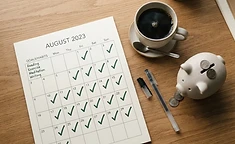
To keep the momentum going, you need to see the results of your hard work. Use a visual tracker on the refrigerator where you can mark off each successful no-spend day. Seeing the streak grow can be highly motivating for both adults and children. Additionally, keep a running total of the money you would have spent on non-essentials. If you skipped a $50 dinner out, add that to your savings tally.
This practice aligns with the principles of zero-based budgeting, a method where every dollar is assigned a specific job. As explained by Investopedia, this approach ensures that no money is left unassigned, which prevents it from leaking out of your bank account through small, unnoticed purchases. By the end of the month, you will likely be surprised by how much you have saved simply by being intentional.
Key Takeaways
- Define your essentials: Clearly list what you must pay for and what is off-limits for the next 30 days.
- Inventory your home: Use what you already have in your pantry and closets before buying anything new.
- Communicate as a family: Get everyone on board by setting a shared goal and explaining the purpose of the challenge.
- Plan for free fun: Replace paid entertainment with community events, library resources, and creative at-home activities.
- Track your savings: Use a visual aid to stay motivated and see the tangible results of your discipline.
If you are ready to take full control of your finances and break the cycle of impulse spending, the 30-Day Zero-Spend Reset digital workbook is the perfect companion. This comprehensive guide provides the structure, tracking tools, and psychological insights you need to navigate a no-spend month with confidence. By following a proven system, you can transform your family's financial future and build habits that last a lifetime.
Ready to reset your spending?
Get the 30-Day Zero-Spend Reset Workbook and turn these ideas into a daily action plan.
Start the 30-Day ResetFrequently asked questions
This article is part of the 30-Day Zero-Spend Reset method. Explore the complete day-by-day system behind these ideas.
Read the full guideKeep reading





Join the conversation
Be the first to share your thoughts on this article.