
Master Your Finances: How to Use a Zero Spend Challenge Habit Tracker Printable
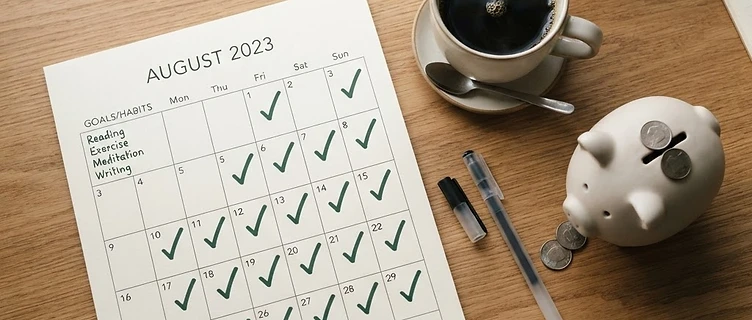
Break the cycle of impulse spending with a zero spend challenge habit tracker printable. Learn how to structure your 30-day reset, track your progress, and build lasting financial habits.
Why You Need a Zero Spend Challenge Habit Tracker Printable
If you feel like your money disappears the moment it hits your bank account, you are not alone. Many people struggle with "spending on autopilot," where small, frequent purchases erode savings without providing real value. A zero spend challenge habit tracker printable is the ultimate tool to break this cycle. By turning your financial goals into a visual game, you move from vague intentions to concrete, daily actions.
When you use a tracker, you are not just restricting yourself. You are engaging in a behavioral reset. According to experts, tracking your progress is a proven way to maintain motivation when willpower begins to wane [1]. Whether you are trying to pay off debt, build an emergency fund, or simply stop the "retail therapy" habit, a printable tracker provides the accountability you need to succeed [8].
What is a Zero Spend Challenge?
A zero spend challenge is a commitment to stop all non-essential spending for a set period, typically 30 days [10]. During this time, you only spend money on absolute necessities: housing, utilities, basic groceries, and essential transportation [1]. Everything else, from daily coffee runs to impulse online shopping, is paused.
This is not about deprivation. It is about awareness. By removing the noise of constant consumption, you gain clarity on what you actually value [2]. If you find the idea of a full month daunting, you can start smaller. Many people find success by starting with a no spend holiday or a weekend-only challenge to build their "financial muscle" before committing to a full 30-day reset [5].
How to Use Your Tracker Effectively
To get the most out of your zero spend challenge habit tracker printable, you need a system that goes beyond just marking off boxes. Follow these steps to ensure your challenge leads to long-term change.
1. Define Your "Essential" List
Before you print your tracker, write down exactly what counts as an essential. If you are unsure, check out our guide on spending categories list to help you distinguish between fixed costs and variable wants. Be honest with yourself. If you constantly overspend on food delivery, you might need to treat that as a non-essential category for the duration of your challenge [2].
2. Identify Your Triggers
Why do you spend? Is it stress, boredom, or social pressure? Understanding your triggers is the secret to success. If you struggle with emotional spending, read our guide on how to overcome retail therapy urges under chronic stress to learn how to manage the underlying feelings without reaching for your credit card.
3. Use the Visual Feedback Loop
Place your tracker somewhere you see it every single day, like on your refrigerator or inside your planner. Every day you successfully avoid non-essential spending, mark it off. This visual "streak" creates a psychological reward that makes it harder to break the chain. When you see a row of successful days, you will be less likely to ruin your progress for a trivial purchase.
Strategies for Success During Your 30-Day Reset
Even with a great tracker, you will face moments of temptation. Here is how to stay on track:
- The 24-Hour Rule: If you feel an overwhelming urge to buy something that isn't on your list, force yourself to wait 24 hours. Often, the impulse will pass. Learn more about this technique in our article on the 24-hour rule.
- Pantry Challenges: If your grocery budget is a major source of spending, try a pantry challenge to use up what you already have before buying more.
- Find Free Joy: Replace spending-based hobbies with free alternatives. Go for a hike, visit a library, or organize your digital files. The goal is to prove to yourself that you can have a fulfilling life without constant transactions.
Moving Beyond the Challenge
A 30-day reset is a powerful tool, but it is only the beginning. Once the month is over, do not immediately revert to your old habits. Use the data from your tracker to inform your future budget. If you noticed you spent zero dollars on entertainment for 30 days and felt fine, perhaps you can permanently reduce that category in your monthly budget.
If you are ready to take the next step in your financial journey, consider the complete zero-spend reset method. This structured approach helps you transition from a temporary challenge to a sustainable, long-term financial lifestyle.
Key Takeaways
- A zero spend challenge helps you identify and eliminate impulse spending habits.
- Visual trackers provide the accountability needed to maintain motivation for 30 days.
- Define your "essential" spending clearly before you begin to avoid confusion.
- Use the 24-hour rule to combat emotional spending urges.
- A challenge is a temporary reset, but the habits you build should last a lifetime.
If you are ready to stop the cycle of impulse spending and finally take control of your financial future, our 30-Day Zero-Spend Reset workbook provides the exact framework, daily prompts, and tracking tools you need to succeed. Start your transformation today.
Ready to reset your spending?
Get the 30-Day Zero-Spend Reset Workbook and turn these ideas into a daily action plan.
Start the 30-Day ResetFrequently asked questions
This article is part of the 30-Day Zero-Spend Reset method. Explore the complete day-by-day system behind these ideas.
Read the full guideKeep reading




Join the conversation
Be the first to share your thoughts on this article.