
Mastering the Zero Based Budget Buffer Category for Variable Income
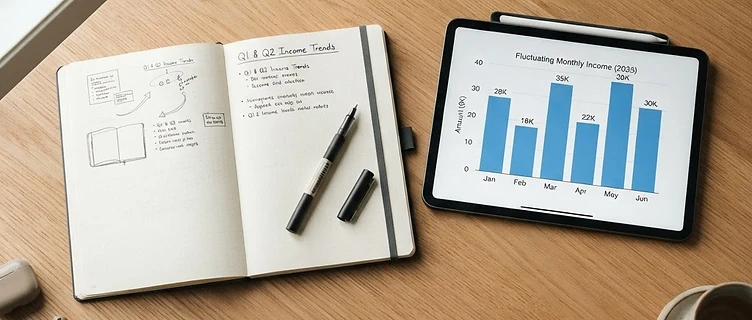
Learn how to use a buffer category to stabilize your finances when your income fluctuates. Discover practical strategies to smooth out your cash flow using zero-based budgeting.
Why Variable Income Needs a Different Approach
Managing money when your paycheck changes every month can feel like trying to hit a moving target. If you are using a zero-based budget, where every dollar is assigned a specific job before the month begins, you might find that traditional methods fall short. This is where the zero based budget buffer category for variable income becomes your most powerful tool. Unlike a standard emergency fund, which is designed for long-term catastrophes, a buffer acts as a working cushion that smooths out the highs and lows of your cash flow.
When you have an irregular income, the goal is to create artificial stability. By treating your income as a flow rather than a fixed salary, you can stop the cycle of stress that comes with lean months. If you are struggling to keep your spending in check during these fluctuations, you might find it helpful to identify emotional spending triggers in bank statements to ensure your habits remain consistent regardless of your current balance.
Defining Your Baseline
Before you can effectively use a buffer, you must identify your real baseline. Many people make the mistake of budgeting based on their average income, but this is a trap. If you budget for an average month, you will inevitably fall short during the months where you earn less. Instead, look at your lowest earning month from the past year. This is your floor. Your budget should be built to cover your essential needs based on this floor, not your peak earnings.
Once your baseline is set, any income earned above that amount is considered surplus. This surplus is the fuel for your buffer category. By prioritizing your baseline expenses first, you ensure that your lights stay on and your rent is paid, even when work is slow.
How the Buffer Category Works
Think of your buffer as a shock absorber. In months where you earn above your baseline, you do not increase your lifestyle spending. Instead, you direct that extra money into your buffer account. In months where you earn below your baseline, you draw from that buffer to top yourself up to your normal, steady paycheck amount.
This system removes decision fatigue. You have already decided what matters most, so you do not have to scramble when a lean month arrives. If you find that your spending is creeping up during high-income months, consider using cognitive friction to stop impulse online shopping to keep your surplus directed toward your savings goals rather than lifestyle inflation.
Setting Up Your Buffer
To get started, open a separate savings account that is distinct from your long-term emergency fund. This account is for active use. A good starting target is to build a buffer that covers one month of your bare-bones expenses. Eventually, you may want to grow this to two or three months of expenses to provide even greater peace of mind.
When money lands in your account, follow a priority stack:
- Taxes and Business Expenses: If you are a freelancer, set these aside immediately.
- Baseline Essentials: Fund your housing, utilities, and groceries.
- The Buffer: Direct a portion of your surplus here until your target is met.
- Discretionary Spending: Only after the buffer is healthy should you allocate funds to wants.
If you find yourself constantly dipping into your buffer for non-essential items, you may need to declutter to save money and reassess your relationship with your spending habits. A buffer is meant to protect your stability, not to fund impulse purchases.
Managing the Flow
Consistency is the key to making this work. If your buffer shrinks two months in a row, it is a signal that your baseline is too high or your income has shifted downward. Do not ignore these signs. Adjust your spending targets immediately to protect your financial floor.
Remember that zero-based budgeting is about giving every dollar a purpose. When you have a buffer, that purpose is to provide you with the freedom to breathe. You are no longer living paycheck to paycheck, even if your paychecks are unpredictable. By smoothing out your income, you gain the mental clarity to focus on long-term wealth building rather than short-term survival.
Key Takeaways
- Build your budget based on your lowest earning month, not your average.
- Treat your buffer as a working cushion, separate from your long-term emergency fund.
- Use surplus months to fill the buffer, and lean months to draw from it.
- Prioritize taxes and essential expenses before allocating money to discretionary categories.
- Regularly review your buffer balance to ensure your baseline remains realistic.
If you are ready to take control of your spending habits and build a more resilient financial future, the 30-Day Zero-Spend Reset workbook provides the structure and behavioral tools you need to break the cycle of impulse spending and master your budget for good.
Ready to reset your spending?
Get the 30-Day Zero-Spend Reset Workbook and turn these ideas into a daily action plan.
Start the 30-Day ResetFrequently asked questions
This article is part of the 30-Day Zero-Spend Reset method. Explore the complete day-by-day system behind these ideas.
Read the full guideKeep reading


Join the conversation
Be the first to share your thoughts on this article.