
How to Use Cognitive Friction to Stop Impulse Online Shopping
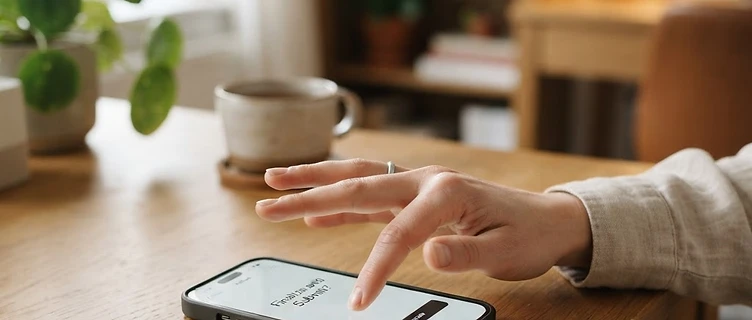
Learn how to use cognitive friction to stop impulse online shopping by creating intentional barriers that give your brain the time it needs to choose savings over instant gratification.
The Science of the Click
Modern e-commerce is a masterclass in removing obstacles. From one-click ordering to saved payment details and personalized recommendations, every element of the digital shopping experience is designed to minimize the time between seeing an item and owning it. This is the opposite of cognitive friction. When you learn how to use cognitive friction to stop impulse online shopping, you are essentially reclaiming your decision-making power by reintroducing the very barriers that retailers work so hard to eliminate.
Impulse buying is rarely about the item itself. It is often a response to emotional states like stress, boredom, or the fear of missing out. When you are tired or distracted, your brain relies on System 1 thinking, which is fast, instinctive, and emotional. By adding friction, you force your brain to switch to System 2 thinking, which is slower, more logical, and better at evaluating long-term consequences.
Why Friction is Your Best Financial Tool
Friction does not require you to have superhuman willpower. Instead, it changes the environment so that your impulses have to work harder to manifest. If you have to get up from your couch, find your wallet, and manually type in a 16-digit card number, the initial surge of dopamine often fades before the transaction is complete. This gap is where your rational brain catches up to your emotional impulses.
1. Delete Saved Payment Information
The most effective way to introduce friction is to remove the path of least resistance. If your credit card information is saved in your browser or on your favorite retail apps, you are only one click away from a purchase. Go into your account settings for every major retailer you frequent and delete your saved cards. Forcing yourself to manually retrieve your physical card and enter the details adds a two-minute delay that is often enough to kill the impulse entirely.
2. The 24-Hour Cooling-Off Period
Impulse purchases are often driven by a sense of urgency, whether it is a flash sale or a limited-time offer. Combat this by implementing a mandatory 24-hour waiting period for any non-essential item. If you still want the item after a full day, you can reconsider it. Often, you will find that the emotional urge has dissipated, and the item no longer seems necessary. This is a core principle we explore in the complete zero-spend reset method.
3. Audit Your Digital Environment
Retailers spend millions on targeted ads and email marketing to keep you in their ecosystem. You can reduce your exposure by taking proactive steps to clean up your digital space. Start by unsubscribing from marketing emails that trigger your spending habits. If you find yourself mindlessly scrolling through shopping apps, remove them from your phone's home screen or delete them entirely. For more on managing your digital triggers, read our guide on identifying hidden spending triggers in daily routines: a guide to mindful finance.
Moving Beyond Willpower
Many people believe that stopping impulse spending is a matter of being stronger or more disciplined. However, research suggests that environmental design is far more effective than willpower. When you are stressed after a long day, your executive function is depleted, making you more susceptible to emotional spending. If you struggle with this, check out our tips on overcoming the urge to spend after a stressful work day: a practical guide.
By creating a system where you have to pause, you allow your brain to assess whether a purchase aligns with your actual financial goals. If you find that your spending is tied to a deeper sense of scarcity, it may be helpful to learn about how to overcome the scarcity mindset after extreme frugality.
Key Takeaways
- Impulse buying is an emotional response that thrives on convenience and speed.
- Cognitive friction forces your brain to switch from emotional, fast thinking to logical, slow thinking.
- Deleting saved payment information is the single most effective way to stop one-click impulse buys.
- Implementing a 24-hour waiting period allows the initial dopamine spike to fade, helping you make more rational decisions.
- Reducing your exposure to marketing emails and shopping apps prevents the impulse from starting in the first place.
If you are ready to take control of your finances and break the cycle of impulse spending for good, consider joining our 30-Day Zero-Spend Reset. This digital workbook provides the structure and daily guidance you need to build lasting habits and reach your savings goals.
Ready to reset your spending?
Get the 30-Day Zero-Spend Reset Workbook and turn these ideas into a daily action plan.
Start the 30-Day ResetFrequently asked questions
This article is part of the 30-Day Zero-Spend Reset method. Explore the complete day-by-day system behind these ideas.
Read the full guideKeep reading






Join the conversation
Be the first to share your thoughts on this article.