
The Minimalist Grocery Shopping List for Zero Spend Weeks on a Budget
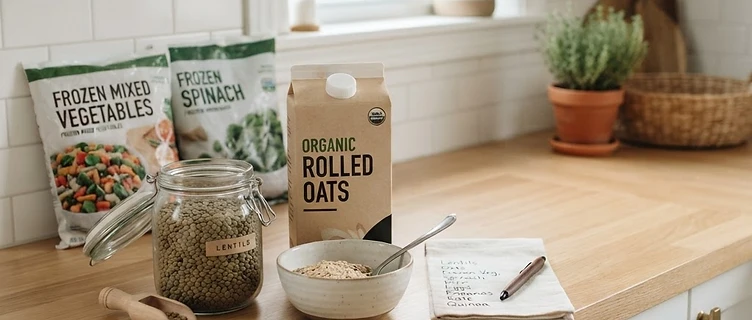
Master your food budget with a minimalist grocery shopping list designed for zero spend weeks. Learn how to eat well while resetting your finances.
Mastering the Minimalist Grocery Shopping List for Zero Spend Weeks on a Budget
When you commit to a financial reset, the grocery store often becomes the biggest hurdle. It is easy to justify "just one more trip" for a few ingredients, but those small, frequent purchases are exactly what derail your progress. Creating a minimalist grocery shopping list for zero spend weeks on a budget is not about deprivation. It is about intentionality, efficiency, and reclaiming control over your financial life. By shifting your mindset from constant consumption to utilizing what you already own, you can stop the cycle of impulse spending and build a stronger financial foundation.
The Philosophy of the Zero Spend Grocery Strategy
A zero spend week does not mean you stop eating. It means you stop the cycle of convenience-based shopping. Most households have enough food in their pantry and freezer to last for several days, if not a full week, yet we continue to shop out of habit rather than necessity. According to U.S. News, the first step to saving money happens before you even step foot in a store. You must audit your current inventory to see what you already have on hand.
If you are feeling overwhelmed by your finances, it is helpful to first address the Financial Stress Symptoms: Triage Steps for Anyone Stressed About Money to ensure you are approaching your grocery habits from a place of clarity rather than panic.
Step 1: The Pantry Audit
Before you write a single item on your list, perform a deep dive into your kitchen. Pull everything out of your pantry, freezer, and refrigerator. Group items by category: grains, proteins, canned goods, and frozen produce. This process often reveals that you have the components for dozens of meals you simply forgot about. When you know you will use everything you buy, you save money and prevent food waste, as noted by Business Insider.
Step 2: Building Your Minimalist List
For a true zero spend week, your list should be focused on staples that stretch your existing inventory. A minimalist approach prioritizes versatility over variety. Focus on these categories:
- Proteins: Dried beans, lentils, or frozen chicken breasts that can be used in multiple recipes.
- Grains: Bulk rice, oats, or pasta. These are shelf-stable and provide the base for most low-cost meals.
- Frozen Produce: Frozen spinach, berries, or mixed vegetables are often cheaper and more nutritious than their fresh counterparts because they are picked at peak ripeness, as highlighted by AARP.
- Flavor Enhancers: Spices, oils, and vinegars. These turn basic ingredients into satisfying meals.
If you find that your spending habits are tied to emotional triggers, you might benefit from a Behavior First Money Mindset Shift Using the Zero Spend Workbook to help you navigate the psychological side of these changes.
Step 3: The Strategy of Once-a-Month Shopping
One of the most effective ways to minimize spending is to reduce the number of times you enter a store. Every trip to the grocery store is an opportunity to make an impulse purchase. By moving toward a once-a-month shopping routine, you force yourself to be creative with the ingredients you have. This is a core component of the Behavior First 30 Day Pantry Reset: Eat What You Have, No Extra Spend method. When you are not constantly browsing aisles, you are not tempted by marketing tactics designed to make you spend more.
Practical Tips for Success
- Compare Unit Prices: Always look at the price per ounce or per gram on the shelf tag. This is the only way to know if you are actually getting a deal.
- Embrace Store Brands: There is rarely a significant difference in quality between generic and name-brand staples like flour, sugar, or canned beans.
- Meal Plan Around Your Inventory: Do not pick a recipe and then buy ingredients. Pick your ingredients and then find a recipe that uses them.
Key Takeaways
- Audit your pantry and freezer before buying anything new to reduce waste and save money.
- Focus on versatile, bulk staples that can be used in multiple meal combinations.
- Reduce your store visits to minimize the temptation of impulse purchases.
- Use unit pricing to ensure you are getting the best value for your money.
- Shift your mindset to view your existing food supply as a resource rather than a limitation.
If you are ready to take your financial health to the next level, the 30-Day Zero-Spend Reset workbook provides the structured guidance you need to break impulse spending habits and build lasting savings through a proven behavioral challenge.
Ready to reset your spending?
Get the 30-Day Zero-Spend Reset Workbook and turn these ideas into a daily action plan.
Start the 30-Day ResetFrequently asked questions
This article is part of the 30-Day Zero-Spend Reset method. Explore the complete day-by-day system behind these ideas.
Read the full guideKeep reading



Join the conversation
Be the first to share your thoughts on this article.