
Meal Prep Pantry Staples: A Budget Stocking Plan

Which pantry staples make cheap meal prep work, how to stock them without overspending, and a simple weekly plan that turns them into meals.
Meal Prep Pantry Staples: A Budget Stocking Plan
The best pantry staples for meal prep are the cheap, shelf-stable basics that mix and match: rice, pasta, dried or canned beans, canned tomatoes, oats, peanut butter, canned vegetables and a few spices. Buy them on sale, check the unit price, and pair them with a small amount of frozen or fresh food. You can then cook two or three base recipes once and eat from them all week.
This guide shows what to stock, how to buy it without overspending, how to store it, and how to turn it into a simple weekly meal-prep plan.
TL;DR
- Build the pantry around a few versatile bases: grains, beans, canned tomatoes, oats, nut butter, and flavor boosters like spices, garlic and oil.
- Plan meals around store flyer sales and compare unit prices, not sticker prices.
- Canned foods have nutritional content similar to cooked, fresh and frozen versions, so they are a solid budget choice. Pick low-sodium, no-added-sugar options when you can.
- Cook a grain, a bean dish and a sauce once, then remix them into different meals through the week.
- Stock a little at a time, rotate older items forward, and never buy a staple you will not actually cook.
Table of Contents
- Why pantry staples make meal prep cheaper
- The core pantry staples for meal prep
- A starter shopping list by tier
- How to stock up without overspending
- How to store staples and keep them fresh
- Cheap meals you can build from pantry staples
- A simple weekly meal-prep plan using staples
- If you cook for a family
- Our perspective: the pantry is a spending system
- Put the plan into a 30-day reset
- FAQ
- Sources
Why pantry staples make meal prep cheaper
Meal prep gets expensive when every week starts from zero: new recipes, new fresh ingredients, a few unused leftovers. A stocked pantry flips that. The base of each meal is already in the cupboard, so each shopping trip only fills gaps.
Oklahoma State University Extension notes that keeping staples like rice, pasta, beans, canned vegetables, tomatoes and spices on hand makes meal planning easier and reduces last-minute purchases. Those last-minute purchases, the "I'm too tired, let's grab something" kind, are usually where a food budget leaks.
There is a comfort angle too. Purdue Extension says having shelf-stable foods at home can ease worry about running out of food and give a sense of well-being. A pantry is not just storage; it is a small buffer against a bad week.
The core pantry staples for meal prep
You do not need forty items. You need a handful from each category, so that nearly any combination produces a meal. West Virginia University Extension suggests stocking a few items from each of the five food groups so you can make well-balanced meals without buying large quantities. Here is how that looks in practice.
Grains and starches
- Rice: the workhorse. It turns into fried rice, grain bowls, burritos and soup add-ins.
- Pasta and noodles: quick, filling and cheap per serving.
- Rolled oats: breakfast, overnight oats, and a binder for patties.
- Tortillas: wraps, quesadillas, quick pizzas. Store on the counter or freeze.
Purdue Extension advises choosing whole-grain, low-sodium options with no added sugar when possible. Whole-grain versions are often only a little more expensive, so compare the unit price before deciding.
Beans, lentils and other protein
- Dried or canned beans (black, pinto, kidney, chickpeas)
- Lentils: cook faster than most dried beans and need no soaking.
- Canned tuna, salmon or chicken
- Peanut butter
- Eggs (refrigerated, but a budget anchor for many weeks)
Oklahoma State describes beans as a versatile, low-cost protein that can go into soups, salads and chili, or be mashed into dips. If you eat meat, WVU Extension says fresh meat and poultry can be bought in bulk and frozen in smaller amounts to save money.
Canned and frozen vegetables and fruit
- Canned tomatoes (diced, crushed, paste)
- Canned corn, green beans, carrots
- Frozen mixed vegetables, broccoli, spinach
- Frozen or canned fruit for oats and yogurt
Studies cited by Purdue Extension show canned foods have nutritional content similar to cooked, fresh and frozen varieties. Frozen vegetables also cut waste, because you use only what you need.
Flavor and cooking basics
- Cooking oil, salt, black pepper
- Garlic (fresh or powder), onion
- Chili powder, cumin, Italian seasoning, paprika
- Vinegar, soy sauce, hot sauce
- Salsa and a jar of pasta sauce, if you like the shortcut
Spices turn the same rice and beans into five different dinners. They are the cheapest way to prevent meal-prep boredom, which is what makes people quit and order takeout.
A starter shopping list by tier
If you are starting from a nearly empty cupboard, do not buy everything at once. Build in layers.
| Tier | What to buy | Why it comes first | |---|---|---| | 1. Foundation | Rice, pasta, oats, dried or canned beans, canned tomatoes, oil, salt | Covers the base of nearly every meal | | 2. Flavor | Garlic, onion, chili powder, cumin, Italian seasoning, soy sauce | Makes the base meals taste different | | 3. Protein and produce | Peanut butter, eggs, canned tuna or chicken, frozen vegetables, lentils | Fills out nutrition and variety | | 4. Extras | Tortillas, canned fruit, powdered or shelf-stable milk, broth | Convenience and backup options |
Buy one tier per trip if cash is tight. Many people find the foundation tier alone makes the next week of dinners noticeably easier.
How to stock up without overspending
The goal is a full pantry at a low total cost, not a full pantry at any cost. Four habits do most of the work.

Shop the flyer first
The U.S. Department of Veterans Affairs advises using a grocery store flyer to plan meals around sale items. Flip that around for pantry building: when canned tomatoes, pasta or beans go on sale, that is your cue to buy a few extra, not a trip to buy everything.
Compare unit price
The VA recommends calculating unit price by dividing total price by the number of units. A big bag is not always cheaper per ounce, and a store brand often beats the name brand on the same shelf. Check the shelf tag; most list unit price already.
Buy extra only of what you already cook
Stocking up only saves money on foods you use. A case of lentils you never cook is just money parked in a cupboard. Before a sale, ask: which three meals will this go into?
Stock a little each trip
Adding one or two staples per shopping trip is easier on a tight budget than a big stock-up. It also spreads the cost across paychecks instead of one painful receipt. If you are working on cutting spending across the board, our spending categories list helps you see where food sits next to everything else.
How to store staples and keep them fresh
A pantry only saves money if the food gets eaten. Some simple habits help.
- Keep it cool, dry and dark. Unopened shelf-stable foods such as dried fruit, cereal and granola can be kept in the pantry without refrigeration.
- Rotate. Put new purchases behind older ones, so the oldest can is always in front.
- Decant opened items. Move flour, rice and oats into sealed containers once opened, and label them with the date you opened them.
- Know your dates. The American Heart Association explains that sell-by dates tell stores how long to keep items on shelves, while best-if-used-by dates indicate peak flavor or quality. A date on a can is not automatically a deadline to throw it out.
- Freeze bread. The AHA advises keeping bread on the counter or freezing it, where it can last two to three months.
If a can is bulging, leaking or badly dented, or a package smells off, do not eat it. When in doubt, throw it out.
Cheap meals you can build from pantry staples
The reason a handful of staples works is how many meals they make. These combinations come from university extension guidance and need very little else.
- Pasta with canned tomatoes, garlic and oil. Oklahoma State points to this as a quick, cheap meal. Add a can of white beans for protein.
- Fried rice or grain bowls. The same Oklahoma State sheet shows how leftover rice becomes fried rice or a bowl. Use frozen mixed vegetables and an egg.
- Bean chili. Beans, canned tomatoes, chili powder, cumin, and corn. It freezes well in single portions.
- Bean quesadillas. Purdue Extension suggests quesadillas with beans, salsa, tortillas and cheese.
- Breakfast scramble. Purdue also suggests eggs with sausage, potato and onion, which stretches a small amount of meat.
- Lentil soup. Lentils, canned tomatoes, onion, carrot and spices, simmered together.
- Peanut noodles. Pasta, peanut butter, soy sauce and a little vinegar, with frozen broccoli.
- Overnight oats. Oats, milk or shelf-stable milk, and canned or frozen fruit.
None of these is fancy. That is the point: they are cheap, repeatable and forgiving.
A simple weekly meal-prep plan using staples
This is the part many lists skip: how to combine the staples into a plan. The method is to prep components, not full meals, so that you can remix them.
Step 1: Pick your bases (10 minutes)
Choose one grain, one bean or lentil, one sauce, and one vegetable for the week. For example: rice, black beans, a tomato-chili sauce, and frozen mixed vegetables.
Step 2: Cook the components (about 60 to 90 minutes, once)
- Cook a big pot of rice.
- Simmer beans with onion, garlic, cumin and a little salt.
- Make a pot of tomato-chili sauce from canned tomatoes and spices.
- Portion some of the vegetables into containers; leave the rest frozen.
Step 3: Remix through the week
| Day | Meal | Built from | |---|---|---| | Mon | Rice and bean bowl with vegetables | Rice, beans, frozen vegetables, salsa | | Tue | Bean quesadillas | Beans, tortillas, cheese | | Wed | Chili over rice | Beans, tomato sauce, rice | | Thu | Fried rice with egg | Rice, vegetables, egg, soy sauce | | Fri | Pasta with tomato sauce | Pasta, sauce, leftover beans | | Sat | Use-it-up soup or scramble | Whatever is left |
Breakfast can be oats all week, and lunches can be the Monday bowl. Keep Saturday as a flex day for leftovers, which reduces waste.
Step 4: Freeze what you will not eat in time
Chili, cooked beans and cooked rice freeze well in single portions. Label the container with the date, and eat the oldest first.

Step 5: Restock only the gaps
Before your next trip, check what you used. Replace those staples when they are on sale, and write the list from what is missing, not from what looks tempting.
If you cook for a family
Bigger households use staples faster, which makes unit price even more important. Bulk rice, beans and oats are generally where families see the largest savings. Kids also tend to accept familiar formats like quesadillas, pasta and rice bowls, which helps the meal-prep plan survive contact with real dinnertime. For ideas on keeping a grocery trip on budget with children in tow, see our post on grocery shopping with kids during a no-spend month.
Our perspective: the pantry is a spending system
We see pantry stocking as a spending-habit problem more than a food problem. Most of the grocery overspending we hear about does not come from rice and beans. It comes from the unplanned trip, the delivery order on a tired night, and the "just in case" purchases that expire in the back of the cupboard.
That is why the workbook we built does not ask you to white-knuckle your way through a month on willpower. It uses daily behavioral challenges, meal planning guides and trackers to give your food decisions a structure. A stocked pantry does the same job in your kitchen: it removes the decision at the moment you are most likely to overspend. When dinner is already half-decided by what is in the cupboard, there is nothing to resist.
We also think the goal should be sustainable, not punishing. A pantry full of food you like to eat is a pantry you will use. Start small, build a few layers, and let the savings come from fewer impulse trips rather than from deprivation.
, Omar
Put the plan into a 30-day reset
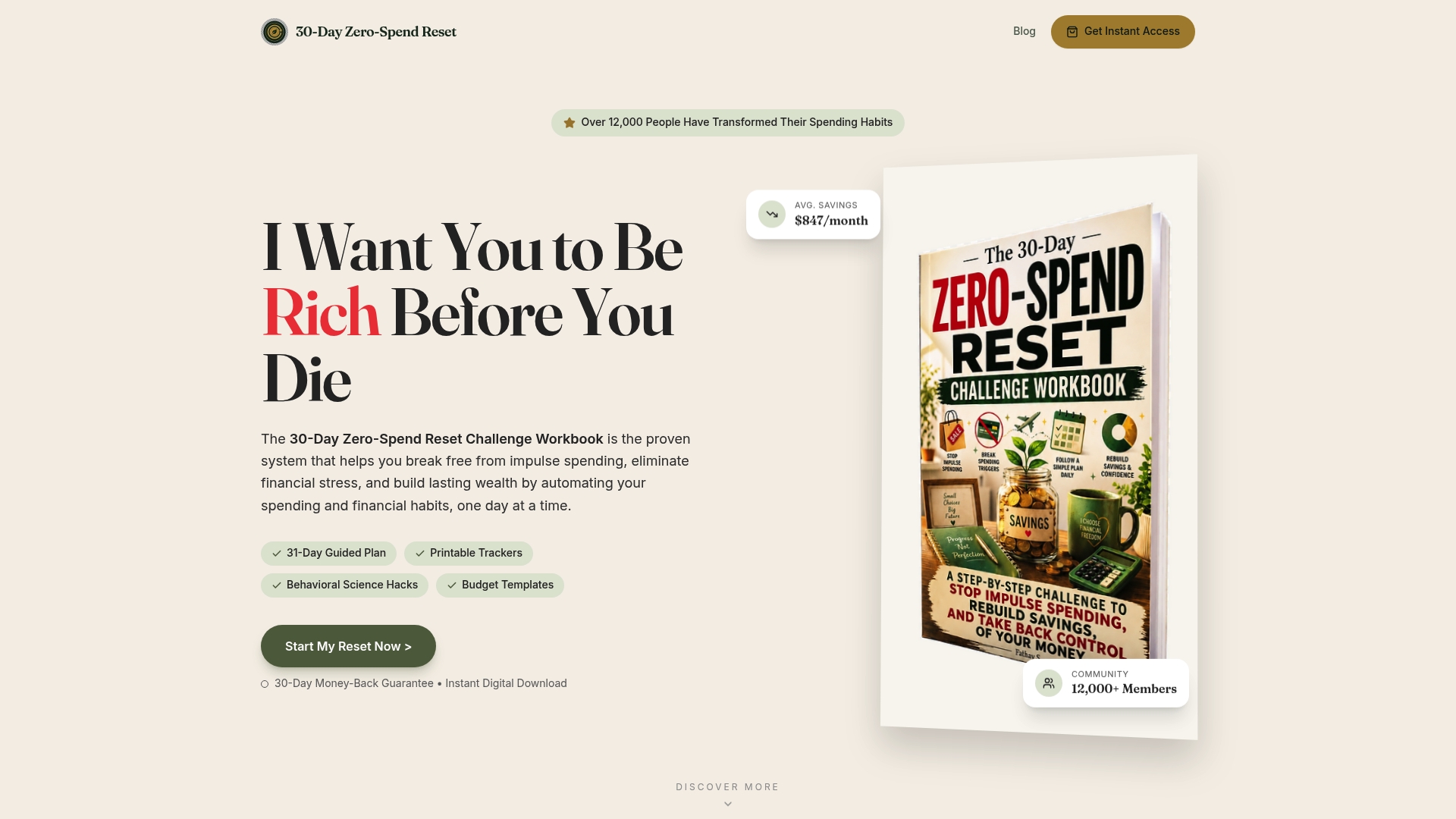
If you want a structure to go with the stocking, our 30-Day Zero-Spend Reset Challenge Workbook walks you through daily challenges, printable trackers, meal planning guides and a subscription audit, so a pantry-first month becomes a habit and not a one-off effort. You can find it on the 30-Day Zero-Spend Reset Challenge Workbook page, and the Zero-Spend Accelerator Vault has additional resources if you want more tools.
Not ready to commit? Our Zero Spend Guide explains how the approach works before you decide.
FAQ
What are the most important pantry staples for meal prep?
Start with rice, pasta, oats, beans or lentils, canned tomatoes, peanut butter, cooking oil and a few spices. Extension programs at Oklahoma State and Purdue both point to this kind of short list of shelf-stable foods. They combine into many different meals with only a little fresh or frozen food added.
How do I build a budget pantry on a tight budget?
Buy in layers, a few items per trip, and time purchases to store sales. Compare unit prices instead of package prices, and only stock up on foods you already cook. Spreading the cost across several paychecks keeps the pantry from becoming a single big expense.
Are canned foods as healthy as fresh?
Purdue Extension reports that studies show canned foods have nutritional content similar to cooked, fresh and frozen varieties. To keep sodium and sugar down, read labels and choose low-sodium, no-added-sugar versions when possible. If you have a medical condition that requires a specific diet, ask your doctor or a registered dietitian which products suit you.
How long do pantry staples last?
It depends on the food and whether it is opened. Unopened shelf-stable foods can stay in the pantry without refrigeration, and a best-if-used-by date points to peak quality rather than safety. Bread is the exception: the American Heart Association says freezing it can keep it for two to three months.
What are some cheap pantry meals for a family?
Bean quesadillas, pasta with canned tomatoes and garlic, bean chili, fried rice with frozen vegetables, and lentil soup are all low-cost and filling. Most use two or three staples plus spices. Cooking a big batch and freezing portions helps cover busy nights.
Sources
- Budget Friendly Foods to Keep in Your Home, Purdue Extension
- Budget-Conscious Nutrition: Eating Well Without Overspending, Oklahoma State University Extension
- Grocery Budget & Pantry Stocking, West Virginia University Extension
- Cost-Friendly Cooking, U.S. Department of Veterans Affairs
- Grocery Guide, American Heart Association
Ready to reset your spending?
Get the 30-Day Zero-Spend Reset Workbook and turn these ideas into a daily action plan.
Start the 30-Day ResetThis article is part of the 30-Day Zero-Spend Reset method. Explore the complete day-by-day system behind these ideas.
Read the full guideKeep reading



Join the conversation
Be the first to share your thoughts on this article.