
Overcoming the Sunk Cost Fallacy in Recurring Monthly Memberships

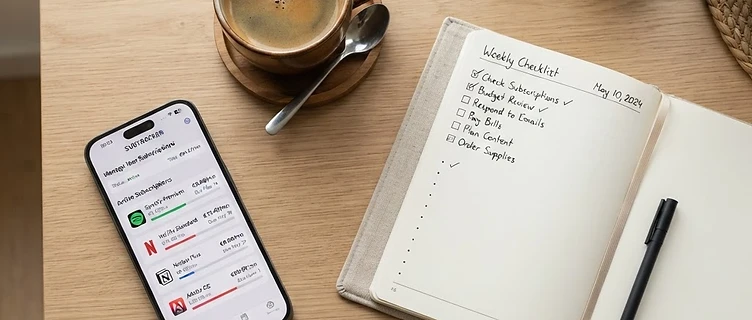
Learn how to identify and break free from the sunk cost fallacy in your recurring monthly memberships to stop wasting money on services you no longer use.
Understanding the Trap
Have you ever kept a gym membership you haven't used in six months simply because you feel guilty about the initial sign-up fee? You are not alone. Overcoming the sunk cost fallacy in recurring monthly memberships is one of the most effective ways to reclaim your financial freedom. The sunk cost fallacy occurs when we continue an endeavor because of the resources we have already invested, rather than evaluating the current value of the service. In the context of your bank account, this means paying for streaming services, software, or club memberships that no longer provide utility, simply because you feel that canceling would mean the money you already spent was wasted.
Why We Hold On
Psychologically, humans are wired to avoid loss. We feel the pain of a loss much more intensely than the joy of an equivalent gain. When you look at a recurring charge on your statement, your brain tells you that canceling it is an admission of failure or a waste of the money you have already paid. However, the money is already gone. Whether you keep the subscription or cancel it today, that past expenditure remains the same. The only variable you can control is your future spending.
The Illusion of Future Value
We often tell ourselves, I will use this next month, or I might need this feature eventually. This is a classic cognitive bias. By holding onto these services, we are essentially paying a tax on our own procrastination. If you find yourself struggling to let go, consider the cost-per-use test. Divide the monthly cost of the service by the number of times you actually used it in the last 30 days. If that number is high, the service is not a bargain; it is a drain.
Practical Steps to Break the Cycle
To stop letting past costs dictate your present actions, you need to implement a system that removes emotion from the equation.
1. The 90-Day Audit
Perform a comprehensive review of your bank statements. If you have not used a service in the last 90 days, cancel it immediately. If you truly need it again in the future, you can always resubscribe. The friction of signing up again is often lower than the cost of paying for three months of inactivity.
2. Future-Focused Analysis
Whenever you feel the urge to keep a subscription, run a future-focused cost-benefit analysis. Ask yourself: If I did not already have this subscription, would I sign up for it today at this price? If the answer is no, you are only keeping it because of the sunk cost fallacy. This is similar to how you might identify emotional spending triggers in bank statements to clean up your overall financial habits.
3. Automate Your Decluttering
Use tools or manual spreadsheets to track your recurring payments. Seeing the total annual cost of these subscriptions can be a powerful wake-up call. When you see that a 15 dollar monthly fee actually costs you 180 dollars a year, the decision to cancel becomes much easier. You can also declutter to save money by applying this same logic to physical items that are costing you storage space or maintenance fees.
Moving Forward
Breaking free from these patterns is not just about saving a few dollars; it is about changing your relationship with money. When you stop paying for things you do not use, you create space in your budget for goals that actually matter. If you are ready to take control of your finances and build better habits, consider joining our 30-Day Zero-Spend Reset. This workbook provides a structured, step-by-step method to help you identify impulse spending, audit your recurring costs, and build a sustainable savings plan that lasts long after the challenge ends.
Key Takeaways
- The sunk cost fallacy tricks you into keeping unused subscriptions because you feel guilty about past spending.
- Past payments are gone; focus only on whether a service provides value for your future.
- Use the 90-day rule: if you haven't used it in three months, cancel it.
- Calculate your cost-per-use to see the true price of your subscriptions.
- Regularly auditing your bank statements is essential for maintaining a healthy, intentional budget.
Ready to reset your spending?
Get the 30-Day Zero-Spend Reset Workbook and turn these ideas into a daily action plan.
Start the 30-Day ResetFrequently asked questions
This article is part of the 30-Day Zero-Spend Reset method. Explore the complete day-by-day system behind these ideas.
Read the full guideKeep reading






Join the conversation
Be the first to share your thoughts on this article.