
How to Survive a No Spend Week: The Ultimate Success Checklist

Ready to break the cycle of impulse spending? Learn how to survive a no spend week with this actionable checklist designed to help you reset your habits and save money.
Mastering the No Spend Week: A Strategic Approach
Learning how to survive a no spend week checklist is more than just a temporary exercise in frugality. It is a powerful behavioral reset that forces you to confront your relationship with money. When you commit to a week of zero discretionary spending, you are not just saving a few dollars on coffee or takeout. You are actively retraining your brain to distinguish between genuine needs and fleeting impulses. According to experts, a no spend challenge is one of the most effective ways to identify where your money disappears on autopilot [4].
Whether you are looking to pay off debt, build an emergency fund, or simply stop the cycle of mindless shopping, this guide provides the structure you need to succeed. By following a clear plan, you can avoid the common pitfalls that lead to mid-week burnout.
Phase 1: The Preparation Checklist
Success in a no spend week is won before the week even begins. If you go into it without a plan, you will likely find yourself debating every purchase, which leads to decision fatigue and eventual failure [2].
1. Define Your Essential Spending
Before you start, write down exactly what counts as an essential. This usually includes rent or mortgage, utilities, basic groceries, and necessary transportation costs [1]. Everything else, such as dining out, new clothing, or entertainment subscriptions, is off-limits. Having this list in writing prevents you from rationalizing "just one" small purchase during the week.
2. Audit Your Subscriptions
Check your bank statements for recurring charges. If you have a streaming service or app subscription you rarely use, cancel it before your week begins. This is a great time to practice how to stop feeling deprived when saving money by finding free alternatives to your usual entertainment.
3. Meal Planning and Pantry Inventory
Food is the most common area where no spend challenges fail. Take an inventory of your pantry and freezer. Plan your meals around what you already have. If you struggle with the convenience of ordering in, read our guide on how to stop impulse buying food delivery to prepare your mindset for cooking at home.
Phase 2: Navigating the Week
Once the week begins, the challenge shifts from planning to execution. You will likely experience the 'awareness phase' during the first few days, where you notice just how often you reach for your wallet out of habit [3].
Managing Triggers
Impulse spending is often tied to emotional states like boredom, stress, or fatigue. When you feel the urge to buy something, pause and ask yourself if you are trying to solve a problem or soothe an emotion. Understanding these psychological reasons for spending money you don't have is crucial for long-term success. If you find yourself struggling, try to replace the shopping habit with a non-monetary activity, such as walking, reading, or organizing a room in your house.
The 24-Hour Rule
If you feel an overwhelming urge to buy something that isn't an essential, implement the 24-hour rule. Tell yourself you can buy it, but only after waiting 24 hours. Often, the impulse will pass, and you will realize you didn't need the item at all. This simple delay tactic is a cornerstone of mindful spending [10].
Phase 3: Staying Motivated
It is normal to feel a sense of deprivation during the first few days. To combat this, keep your 'why' front and center. Are you saving for a vacation, a down payment, or simply peace of mind? Visualizing your goal makes the temporary discomfort of a no spend week feel like a meaningful investment rather than a punishment.
Track Your Progress
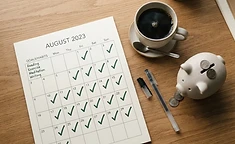
Seeing your progress in real-time is a powerful motivator. Use a habit tracker to mark off each successful day. When you see a streak of 'no spend' days, you will be less likely to break it for a trivial purchase. Keeping a record of the money you saved each day can also provide a tangible sense of accomplishment.
Find Free Joy
Part of the challenge is learning that fun does not have to cost money. Visit a local park, borrow books from the library, or host a potluck with friends using ingredients you already have. By shifting your focus from consumption to connection, you will find that your quality of life does not decrease just because your spending does [6].
Key Takeaways
- Preparation is key: Define your essentials in writing before the week starts to avoid decision fatigue.
- Audit your habits: Use the week to identify your spending triggers and replace them with free, healthy alternatives.
- Use the 24-hour rule: Never make an impulse purchase without waiting a full day to see if the desire persists.
- Focus on the goal: Keep your financial objective visible to remind yourself why you are choosing to save.
- Track your wins: Documenting your progress helps build momentum and keeps you accountable.
If you are ready to take your financial habits to the next level, consider joining our 30-Day Zero-Spend Reset. This comprehensive workbook provides the daily structure, tracking tools, and psychological strategies you need to permanently break the cycle of impulse spending and build lasting wealth.
Ready to reset your spending?
Get the 30-Day Zero-Spend Reset Workbook and turn these ideas into a daily action plan.
Start the 30-Day ResetFrequently asked questions
This article is part of the 30-Day Zero-Spend Reset method. Explore the complete day-by-day system behind these ideas.
Read the full guideKeep reading





Join the conversation
Be the first to share your thoughts on this article.