
How to Master a Zero Based Budgeting Envelope System Without Cash
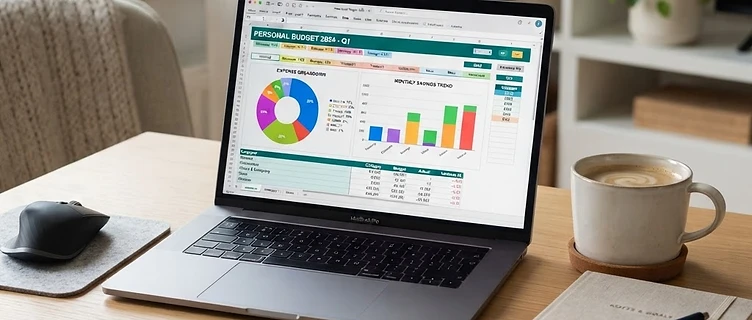
Learn how to implement a zero based budgeting envelope system without cash. Discover digital strategies to track every dollar, curb impulse spending, and reach your savings goals.
The Modern Approach to Envelope Budgeting
If you have ever felt like your money disappears the moment it hits your bank account, you are not alone. Many people turn to the traditional cash envelope method to regain control, but carrying physical stacks of bills is often impractical in our digital-first world. Fortunately, you can successfully implement a zero based budgeting envelope system without cash. By digitizing your envelopes, you gain the same psychological guardrails as the physical method while enjoying the convenience of modern banking.
Zero based budgeting is a powerful financial strategy where you assign every dollar of your income a specific job until you reach zero. When you combine this with an envelope system, you are essentially creating virtual buckets for your money. This ensures that your spending is intentional and aligned with your priorities, rather than reactive.
Why Move Away from Physical Cash?
While the classic cash envelope system is effective for some, it comes with significant drawbacks. Carrying large amounts of cash is a security risk, and it makes paying for online subscriptions, utility bills, or food delivery impossible. Furthermore, many merchants are moving toward cashless transactions, making physical envelopes a logistical headache.
Transitioning to a digital system allows you to track your spending in real time. You can easily categorize transactions, monitor your remaining balance, and adjust your budget on the fly. This level of visibility is crucial for those looking to overcome retail therapy urges under chronic stress and build lasting financial habits.
How to Set Up Your Digital Envelope System
Setting up a digital version of this system is straightforward. You do not need complex software to get started, though dedicated apps can automate the process. Here is how to build your framework:
1. Define Your Categories
Before you can allocate funds, you need to know where your money goes. Start by reviewing your last three months of bank statements. Group your expenses into logical categories such as groceries, rent, transportation, and entertainment. For a comprehensive list of how to structure these, check out our guide on copy ready spending categories.
2. Assign Every Dollar a Job
In a zero based budget, your income minus your expenses must equal zero. If you earn $4,000 a month, every single dollar must be assigned to a category, including savings and debt repayment. This prevents the common mistake of leaving money unassigned, which often leads to impulse spending.
3. Choose Your Digital Tool
You can use a simple spreadsheet, a dedicated budgeting app, or even multiple bank accounts. The goal is to have a clear view of how much is available in each category. If you are using a spreadsheet, update it every time you make a purchase. If you use an app, ensure it syncs with your bank accounts for automatic tracking.
4. Monitor and Adjust
The beauty of a digital system is the ability to see your progress instantly. If you notice you are consistently overspending in a specific category, you may need to adjust your allocations. This is a normal part of the process. If you find yourself struggling with the emotional side of budgeting, read our tips on how to stop feeling deprived when saving money to keep your motivation high.
The Psychological Benefits of Digital Envelopes
One of the primary reasons the envelope system works is that it creates a physical or visual barrier to overspending. When you see that your digital grocery envelope is empty, you are forced to make a choice: stop spending, or move money from another category. This friction is exactly what you need to break the cycle of impulse buying.
By treating your digital accounts like physical envelopes, you cultivate a mindset of scarcity that encourages creativity. Instead of swiping your card mindlessly, you start asking yourself if a purchase is truly necessary. This shift is essential for long-term financial health and helps you avoid the shame often associated with poor spending habits.
Staying Consistent with Your Budget
Consistency is the biggest challenge in any budgeting system. To stay on track, schedule a weekly check-in with your finances. During this time, review your transactions, reconcile your digital envelopes, and plan for the upcoming week. This habit prevents small overspends from snowballing into major budget deficits.
If you find that you are still struggling with impulse purchases, consider implementing a waiting period. The 24 hour rule is a simple yet effective way to pause before making non-essential purchases. This small delay often provides enough time for the emotional urge to pass, allowing your logical brain to take over.
Key Takeaways
- Zero based budgeting requires you to assign every dollar a specific purpose until your balance reaches zero.
- Digital envelopes provide the same spending limits as cash without the inconvenience or security risks of carrying physical money.
- Use spreadsheets or budgeting apps to track your categories in real time and maintain visibility over your finances.
- Weekly check-ins are essential for adjusting your budget and catching overspending before it becomes a problem.
- The goal of this system is to create intentional spending habits that align with your long-term financial goals.
If you are ready to break the cycle of impulse spending and build a foundation for lasting wealth, our 30-Day Zero-Spend Reset workbook provides the structured guidance you need to transform your relationship with money through a proven behavioral challenge.
Ready to reset your spending?
Get the 30-Day Zero-Spend Reset Workbook and turn these ideas into a daily action plan.
Start the 30-Day ResetFrequently asked questions
This article is part of the 30-Day Zero-Spend Reset method. Explore the complete day-by-day system behind these ideas.
Read the full guideKeep reading





Join the conversation
Be the first to share your thoughts on this article.