
How to Stop Impulse Spending on Home Decor During a No Spend Month
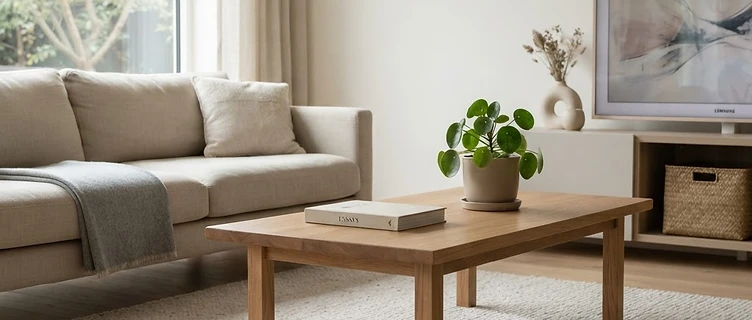
Learn practical strategies to curb home decor spending, break the dopamine loop, and reclaim your savings during a 30-day no-spend challenge.
Understanding the Impulse to Decorate
Learning how to stop impulse spending on home decor during a no spend month is one of the most effective ways to reclaim your financial agency. Many of us fall into the trap of buying items because they look beautiful in a curated store display or on a social media feed, only to find that the piece feels out of place or unnecessary once it arrives home. This phenomenon, often called the Target Trance, is a psychological response to aesthetic stimulation rather than a genuine need for home improvement. When you commit to a no-spend month, you are not just saving money. You are actively breaking the dopamine loop that links emotional comfort to physical consumption.
Why Home Decor is a Common Spending Trigger
Home decor is uniquely dangerous for your budget because it is often marketed as self-care. We tell ourselves that a new throw pillow or a seasonal centerpiece will make our home more relaxing or functional. However, as noted by experts, impulse buying happens when we purchase items spontaneously without planning. During a no-spend month, you must categorize home decor as a non-essential expense. If you are struggling to identify your specific spending patterns, consider reading about behavior first money mindset shift using the zero spend workbook to understand the underlying triggers behind your habits.
Practical Strategies to Stop the Urge
To succeed in your challenge, you need more than just willpower. You need a system. Here are actionable steps to keep your wallet closed:
1. The 90-Minute Rule
If you find yourself eyeing a new lamp or rug, force a 90-minute waiting period. Often, the initial surge of excitement fades once the immediate visual stimulus is removed. If you still want the item after 90 minutes, wait another 24 hours. Most impulse buys lose their appeal once the initial emotional spike subsides.
2. Digital Detox from Retailers
Unsubscribe from all home decor email lists and mute social media accounts that showcase lifestyle content. These platforms are designed to trigger desire. By removing the visual cues, you remove the temptation. You can also use browser extensions to block shopping sites during your challenge.
3. The Trash Can Hack
If you are physically in a store, use the trash can hack. Place the item in your cart, but do not head to the checkout. Walk around the store for ten minutes. If you find yourself losing interest or realizing you do not actually have a place for the item, put it back. Treat the store shelves as a temporary holding area rather than a shopping list.
4. Audit Your Current Inventory
Before buying anything new, shop your own home. Rearrange existing decor, swap items between rooms, or deep clean what you already own. Often, we buy new things because we are bored with our current surroundings, not because we lack items. If you find your finances are generally disorganized, you might benefit from mastering the zero based budgeting envelope system for digital banking users to gain better control over your discretionary funds.
Navigating Social Pressure
Sometimes, the pressure to spend comes from friends or family who love shopping for home goods. If you find it difficult to say no, you may need to set firm boundaries. Learning how to handle social pressure to spend money on weddings while saving can provide you with the scripts and confidence needed to decline shopping trips without feeling guilty. Remember, your financial goals are your own, and true friends will respect your commitment to a no-spend month.
Staying Consistent
Consistency is the key to long-term change. If you slip up, do not abandon the entire challenge. Acknowledge the mistake, identify the trigger, and move forward. For those who need a structured path to follow, the complete zero-spend reset method offers a comprehensive framework to help you navigate these 30 days successfully. By focusing on your long-term savings goals rather than short-term aesthetic upgrades, you build the discipline necessary to maintain a healthy financial life long after the month ends.
Key Takeaways
- Define home decor as a non-essential category before your no-spend month begins.
- Use the 90-minute rule to bypass the emotional dopamine spike of shopping.
- Unsubscribe from retail emails and mute social media accounts that trigger spending.
- Shop your own home by rearranging existing items instead of buying new ones.
- Set firm boundaries with friends who encourage shopping as a social activity.
If you are ready to break the cycle of impulse spending for good, the 30-Day Zero-Spend Reset workbook provides the daily tracking and behavioral exercises you need to build lasting financial habits.
Ready to reset your spending?
Get the 30-Day Zero-Spend Reset Workbook and turn these ideas into a daily action plan.
Start the 30-Day ResetFrequently asked questions
This article is part of the 30-Day Zero-Spend Reset method. Explore the complete day-by-day system behind these ideas.
Read the full guideKeep reading


Join the conversation
Be the first to share your thoughts on this article.