
How to Stop Impulse Spending on Hobbies During a No Spend Month
Learn how to curb hobby-related impulse buys during a no spend month with actionable strategies to protect your budget while still enjoying your passions.
Understanding the Hobby Spending Trap
Learning how to stop impulse spending on hobbies during a no spend month is one of the most effective ways to reclaim your financial freedom. Hobbies are often viewed as essential for mental health, which makes them a dangerous blind spot in your budget. When you decide to commit to a no spend month, you are essentially hitting the pause button on nonessential outflows to reset your financial habits. However, the hobby trap is real. Whether it is buying new yarn for a project you have not started, upgrading camera gear, or grabbing the latest board game, these purchases often feel like investments in your happiness rather than simple impulse buys.
According to Fidelity, the primary goal of a no spend challenge is to boost savings and reset spending habits by cutting nonessential costs. When you fail to define what constitutes a hobby purchase, you leave the door open for budget leaks. To succeed, you must move from passive consumption to active engagement with what you already own.
Audit Your Hobby Inventory
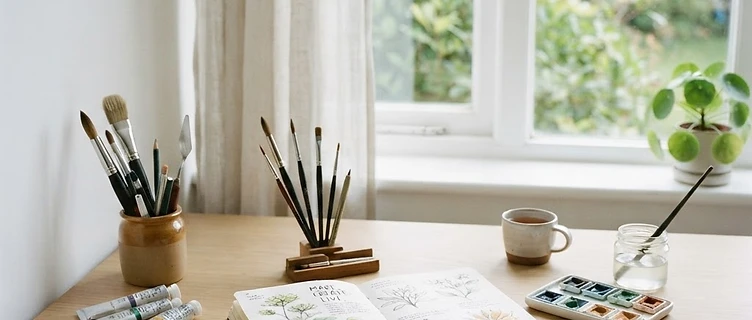
Before you start your month, conduct a thorough audit of your supplies. Most of us have a hidden stash of materials that we have forgotten about. By cataloging what you already have, you shift your mindset from scarcity to abundance. If you are a painter, count your tubes of paint. If you are a gardener, check your seed packets.
This process helps you realize that you do not need to spend money to enjoy your hobby. Instead of buying new items, challenge yourself to use what you have. This is a core principle of the complete zero-spend reset method. When you see the physical volume of your supplies, the urge to buy more often dissipates because you realize you have enough to last for months.
Identify Your Triggers
Impulse spending is rarely about the item itself. It is often a response to stress, boredom, or social media influence. If you find yourself browsing hobby stores online after a long day at work, you are likely seeking a dopamine hit rather than a tool for your craft.
To manage this, you must understand the psychological drivers behind your behavior. Read more about the hidden psychological reasons for spending money you don't have to identify if your hobby spending is actually a coping mechanism. Once you identify the trigger, you can replace the shopping habit with a healthier alternative, such as actually practicing the hobby for thirty minutes instead of shopping for it.
Implement Friction to Stop the Buy
If you struggle with online shopping, you need to create friction. Remove your saved credit card information from your browser and delete shopping apps from your phone. When you have to manually enter your card details, you create a pause that allows your rational brain to catch up with your emotional impulses.
For those who struggle with the constant pressure of social media, it is vital to learn how to deal with spending envy on social media: a practical guide. Seeing others with the latest gear can make you feel like your current setup is inadequate. Remember that the joy of a hobby comes from the activity, not the equipment.
Focus on Skill Over Stuff
During your no spend month, shift your focus from acquiring new gear to mastering your current skills. If you are a musician, spend the month learning a difficult piece of music rather than buying a new pedal. If you are a writer, focus on finishing a draft instead of buying a new notebook.
This shift in focus is a powerful way to build discipline. You will find that your satisfaction increases when you produce something tangible rather than just accumulating more supplies. This is a great time to track your progress using a zero spend challenge habit tracker printable to keep yourself accountable.
Managing the Urge to Upgrade
One of the biggest hurdles is the urge to upgrade. We often convince ourselves that a better tool will make us better at our hobby. While quality tools are nice, they are not a substitute for practice. If you feel the urge to upgrade, write the item down on a list and commit to waiting until the end of your no spend month. Often, by the time the month is over, the intense desire for that item will have faded, and you will be able to make a more rational decision about whether it is truly necessary.
Key Takeaways
- Audit your existing supplies to realize you already have enough to enjoy your hobby.
- Identify the emotional triggers, such as stress or boredom, that lead to impulse hobby spending.
- Create friction by removing saved payment methods and deleting shopping apps.
- Shift your focus from acquiring new gear to mastering your current skills.
- Use a waiting list for any nonessential items to ensure you still want them after the challenge ends.
If you are ready to take control of your finances and break the cycle of impulse spending for good, the 30-Day Zero-Spend Reset workbook provides the structure, trigger audits, and daily accountability you need to succeed.
Ready to reset your spending?
Get the 30-Day Zero-Spend Reset Workbook and turn these ideas into a daily action plan.
Start the 30-Day ResetFrequently asked questions
This article is part of the 30-Day Zero-Spend Reset method. Explore the complete day-by-day system behind these ideas.
Read the full guideKeep reading




Join the conversation
Be the first to share your thoughts on this article.