
How to Build a No Spend Month Meal Plan From a Deep Freezer

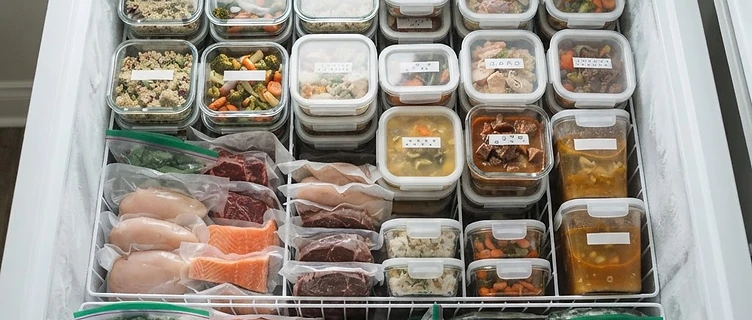
Learn how to master your food budget by turning your deep freezer into a goldmine. Discover how to build a no spend month meal plan that eliminates waste and saves you hundreds.
The Power of the Freezer Reset
Learning how to build a no spend month meal plan from a deep freezer is one of the most effective ways to slash your grocery bill and reclaim your financial focus. When you commit to a 30 Day No Spend Reset That Ends Impulse Spending, your biggest variable expense is almost always food. By shifting your strategy from buying new groceries to utilizing what you already own, you stop the cycle of convenience spending and start building real wealth.
Most of us have a graveyard of forgotten ingredients buried under layers of frost. A deep freezer is not just a storage unit; it is a pre-paid pantry. When you treat your freezer as your primary grocery store, you stop paying for food twice and start maximizing the value of every dollar you have already spent.
Step 1: The Deep Freeze Audit
Before you can plan, you must know what you have. You cannot build a meal plan if you are guessing at your inventory. Set aside one hour to perform a full audit of your freezer.
- Clear the space: Take everything out. Yes, everything.
- Categorize: Group items by protein, vegetables, pre-made meals, and frozen fruits or baking supplies.
- Check for quality: If an item is covered in heavy ice crystals or has been there for more than a year, it may be time to let it go.
- Log it: Write down every item on a simple sheet of paper or a digital spreadsheet. This list is your new menu foundation.
Step 2: Categorize Your "Freezer Finds"
Once you have your list, categorize your items into three buckets: "Use Immediately," "Needs a Partner," and "Staples."
"Use Immediately" items are those that have been in the freezer the longest. These are your priority for the first week of your no spend month. "Needs a Partner" items are things like a bag of frozen shrimp or a single chicken breast that won't feed the whole family on their own. These will require you to get creative with pantry staples like rice, pasta, or canned beans. "Staples" are your long-term assets, such as frozen peas or corn, which can be added to almost any meal to increase volume and nutrition.
Step 3: Building the Meal Plan
Now that you know your inventory, it is time to map out your month. If you are struggling to stay on track, consider using 35 Journaling Prompts for Identifying Spending Triggers and Breaking Impulse Habits to understand why you might be tempted to order takeout instead of cooking what you have.
The Weekly Rotation Strategy
Do not try to plan all 30 days at once. Instead, plan in one-week blocks.
- Theme Nights: Assign themes to days to make planning easier. For example, "Taco Tuesday" can be made with frozen ground meat, and "Soup Saturday" is the perfect way to use up frozen vegetable scraps and broth.
- The "Mix and Match" Method: Pick one protein from your freezer and one starch from your pantry. Add a frozen vegetable, and you have a complete meal.
- Embrace Leftovers: If you cook a large batch of chili, freeze half of it immediately. This creates a "convenience meal" for a night when you are too tired to cook, preventing the urge to spend money on delivery.
Step 4: Managing the "Fresh" Gap
Even during a strict no spend month, you may need a few fresh items like milk, eggs, or fresh produce. The goal is to minimize these trips. If you find yourself constantly running to the store, you might need to Stop the Next Charge in Under 10 Minutes: Audit, Cancel, and Run a 30 Day Test to ensure your other financial leaks are plugged, giving you more breathing room for essential grocery top-ups.
When you do go to the store, go with a strict list. If it is not on the list, it does not go in the cart. This discipline is the core of the the complete zero-spend reset method.
Tips for Success
- Label Everything: If you freeze leftovers, always write the date and contents on the container.
- Use Proper Storage: Invest in airtight containers or freezer-safe bags to prevent freezer burn, which is the enemy of a good meal plan.
- Don't Get Fancy: A no spend month is about utility and savings, not gourmet cooking. Simple, hearty meals are your best friend.
- Stay Motivated: When you feel the urge to break your challenge, remind yourself of your "why." Are you saving for an emergency fund or paying off debt? Keep that goal visible.
Key Takeaways
- Perform a full freezer audit to identify exactly what you have before planning any meals.
- Prioritize older items to reduce food waste and clear space.
- Use a weekly rotation strategy to simplify your meal planning process.
- Only purchase fresh essentials if absolutely necessary, and always stick to a strict list.
- Treat your freezer as a pre-paid grocery store to maximize your existing investment.
If you are ready to take control of your finances and break the cycle of impulse spending, our 30-Day Zero-Spend Reset workbook provides the structure, tracking tools, and behavioral strategies you need to succeed. Start your journey today and turn your financial habits around for good.
Ready to reset your spending?
Get the 30-Day Zero-Spend Reset Workbook and turn these ideas into a daily action plan.
Start the 30-Day ResetFrequently asked questions
This article is part of the 30-Day Zero-Spend Reset method. Explore the complete day-by-day system behind these ideas.
Read the full guideJoin the conversation
Be the first to share your thoughts on this article.