
3 Budget Meal Plans with Grocery Lists and a Habit Play to Stick
Copy three ready weekly meal plans with full grocery lists, per-meal costing tips, batch-cook steps, and a short habit play to help you actually stick...
3 Budget Meal Plans with Grocery Lists and a Habit Play to Stick
Set a firm weekly grocery number, then build every meal around two proteins, one grain, and two vegetables you buy on sale. That structure alone cuts most grocery bills without cutting nutrition. The USDA's Plan, Purchase, Prepare framework backs this up, and it works whether you're feeding one person or five.
TL;DR:
- Using a firm weekly grocery budget and building meals around two proteins, one grain, and two vegetables minimizes costs without sacrificing nutrition.
- Shopping based on weekly store ads and comparing unit prices helps maximize savings, especially when buying store brands and in bulk for staples.
- Batch cooking grains, proteins, and vegetables on Sunday enables variety throughout the week and reduces preparation time and food waste.
- Keeping a pantry stocked with long-lasting, inexpensive staples like rice, dried beans, canned fish, and eggs supports versatile, budget-friendly meals.
- Tracking expenses and building habits with behavioral prompts can save hundreds of dollars monthly and prevent impulse purchases that bust the grocery budget.
Table of Contents
- Three Weekly Meal Plans You Can Copy This Week
- How Do You Find the Best Grocery Deals?
- What Pantry Staples Make Meal Planning Cheaper?
- How Do You Batch Cook Without Getting Bored?
- How Much Should You Spend Per Meal?
- Why Behavior Change Matters for Sticking to a Meal Plan
- A Realistic Note on Sticking With It
- Turn Your Meal Plan Into an Actual Habit
- Where to Go for More Budget Meal Help
- Sources
Three Weekly Meal Plans You Can Copy This Week
Money gets wasted at the planning stage more than at the checkout counter. If you walk into the grocery store without a list built around a real budget, you'll buy things that don't combine into meals, and half of it rots in the crisper drawer. Here are three plans, sorted by how much room you have to spend.
The $25 tight plan (one person, plant-forward)
This plan leans on dried beans, lentils, oats, and eggs, the cheapest calorie-for-calorie proteins in any grocery store.
- 1 dozen eggs
- 1 bag dried lentils (2 lbs)
- 1 bag rice (5 lbs, use partially)
- Canned diced tomatoes (2 cans)
- Frozen mixed vegetables (2 bags)
- 1 bag oats
- Onions, garlic, carrots (bulk bin if available)
The per-meal cost is estimated to be low once you spread the rice and oats across the week. Sunday prep: cook the lentils in one pot with the tomatoes and half the onions, portion the rice separately, and hard-boil half the eggs for grab-and-go breakfasts. Swap lentils for canned chickpeas if you want less cook time.
The moderate budget plan is suitable for one to two people.
This tier adds canned fish and chicken thighs, which cost far less per pound than chicken breast.
- Chicken thighs (bone-in, 3 to 4 lbs)
- Canned tuna or salmon (4 cans)
- Eggs (1 dozen)
- Frozen broccoli and green beans
- Brown rice or pasta
- Canned black beans (2 cans)
- Bell peppers, spinach (fresh, small quantities)
The per-meal cost is estimated to be moderate. Batch-roast the thighs Sunday, shred half for tacos or grain bowls, and keep the rest whole for a sheet-pan dinner. If someone in the house avoids pork or shellfish, this plan doesn't need adjusting since neither appears here.
The family plan is designed for four to five people.
This plan works because it leans on sale cycles and bulk cuts rather than individually packaged proteins.
- Buy a whole chicken instead of parts, then break it down yourself for three separate meals.
- Buy grains in bulk (10 lb rice, family-size pasta) and portion them across the week.
- Stock up on frozen vegetables during sales; they hold nutrients as well as fresh and never go bad before you use them.
- Add ground turkey or beef only when it's the featured sale item that week.
- Use canned beans as a filler in at least two meals to stretch the protein budget.
The per-meal cost for a family of this size typically falls in a modest cost range per plate. Sunday prep for this plan takes longer, approximately an hour and a half, since you're portioning for more people, but the checklist is the same: proteins first, grains second, vegetables last while the oven is still hot.
For dietary swaps across any of these three plans, replace animal protein with extra-firm tofu or a second can of beans, and swap wheat pasta for rice or corn tortillas if gluten is an issue. The math barely changes.
How Do You Find the Best Grocery Deals?
Weekly store ads decide the menu, not the other way around. Check your regular store's ad (most post it online by Wednesday or Thursday) before you plan anything, and build your protein and produce choices around whatever's discounted that week. SNAP-Ed's shopping and budgeting guidance recommends this exact sequence: check the ad, then plan, then shop.
A few tactics make a real difference at the register:
- Compare unit price (cost per ounce or pound), not shelf price. A bigger package sometimes costs more per unit than the small one.
- Buy store brands for staples like flour, rice, canned tomatoes, and oats. The ingredient list is usually identical to the name brand.
- Only buy in bulk for things you'll actually finish. Bulk rice and dried beans keep for a year or more; bulk fresh spinach does not.
- Stick to your list and skip end-cap displays entirely. That's where impulse purchases live.
- If you shop online, load your cart and then wait 24 hours before checking out. Half the "extras" get removed.
Mayo Clinic's guidance on budget meal planning specifically calls out frozen and low-sodium canned produce as a smart substitute when fresh prices spike, since it keeps far longer and costs less per serving.
Pro Tip: Try the 10-item grocery rule: if your list has more than 10 items and you feel the urge to add an 11th "just because," put it back. That single habit catches most impulse spending before it hits your cart.
What Pantry Staples Make Meal Planning Cheaper?
A stocked pantry is what makes weeknight cooking fast instead of a scramble for takeout. Keep these on hand at all times, since they're cheap per serving and last for months:
- Rice, oats, and pasta (dry goods with a long shelf life)
- Dried or canned beans and lentils
- Canned tomatoes and canned tuna or salmon
- Eggs and frozen chicken thighs
- Onions, garlic, and a bag of frozen mixed vegetables
- A basic set of spices (cumin, paprika, garlic powder, black pepper)
Eggs, dried beans, canned fish, and chicken thighs are consistently the cheapest proteins per gram in most grocery stores, and each one works across a dozen different meals without repeating flavor.
Four recipe skeletons cover almost every budget dinner you'll ever need:
- Grain bowl: rice or quinoa base, roasted vegetables, a protein, and a simple sauce (soy sauce, lime, or yogurt-based).
- Lentil soup: onion, garlic, carrots, canned tomatoes, lentils, and broth, simmered for 30 minutes.
- Egg frittata: eggs, whatever vegetables are about to go bad, and a handful of cheese if you have it.
- Rice-and-bean bowl: rice, black beans, salsa, and any fresh or frozen vegetable you have.
For vegetarian households, swap chicken or tuna for tofu, tempeh, or a second can of beans in any skeleton above. For gluten-free needs, swap pasta for rice, quinoa, or corn tortillas. MyPlate Kitchen's budget recipe collection sorts recipes by cost and is worth bookmarking for when you run out of ideas.
How Do You Batch Cook Without Getting Bored?
A single Sunday session, done in the right order, sets up the whole week. Work through it like this:
- Put grains (rice, quinoa) on the stove first since they need the least attention.
- Roast your protein and vegetables in the oven at the same time, on separate trays.
- While the oven runs, prep a sauce or dressing on the stovetop so nothing sits idle.
- Portion everything into containers once it cools, not while it's still hot.
This sequencing, cooking grains and roasting proteins and vegetables simultaneously, cuts total prep time and avoids the repeated reheating that makes leftovers taste tired by Wednesday.
Use one container per component (protein, grain, vegetable) rather than fully assembled meals. That way you can mix a Tuesday bowl differently than a Thursday one, even though you cooked everything on Sunday. Most cooked proteins and grains hold well in the refrigerator for 3 to 5 days; anything you won't eat by day five belongs in the freezer, not the trash.
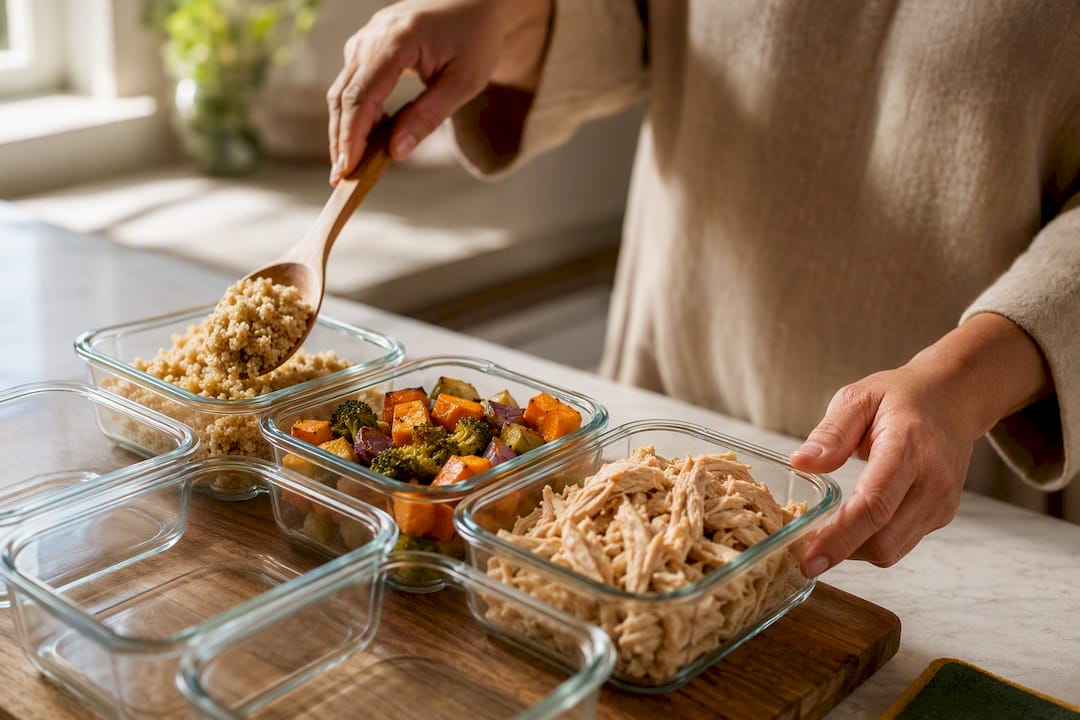
Leftover roasted chicken becomes tacos on Monday, a grain bowl on Tuesday, and soup on Wednesday, same base ingredient, three different meals. When reheating, add a splash of water or broth before microwaving to keep grains and proteins from drying out.
Pro Tip: Freeze one portion of every batch before you touch the rest. Future-you, on a night with zero energy to cook, will thank present-you.
How Much Should You Spend Per Meal?
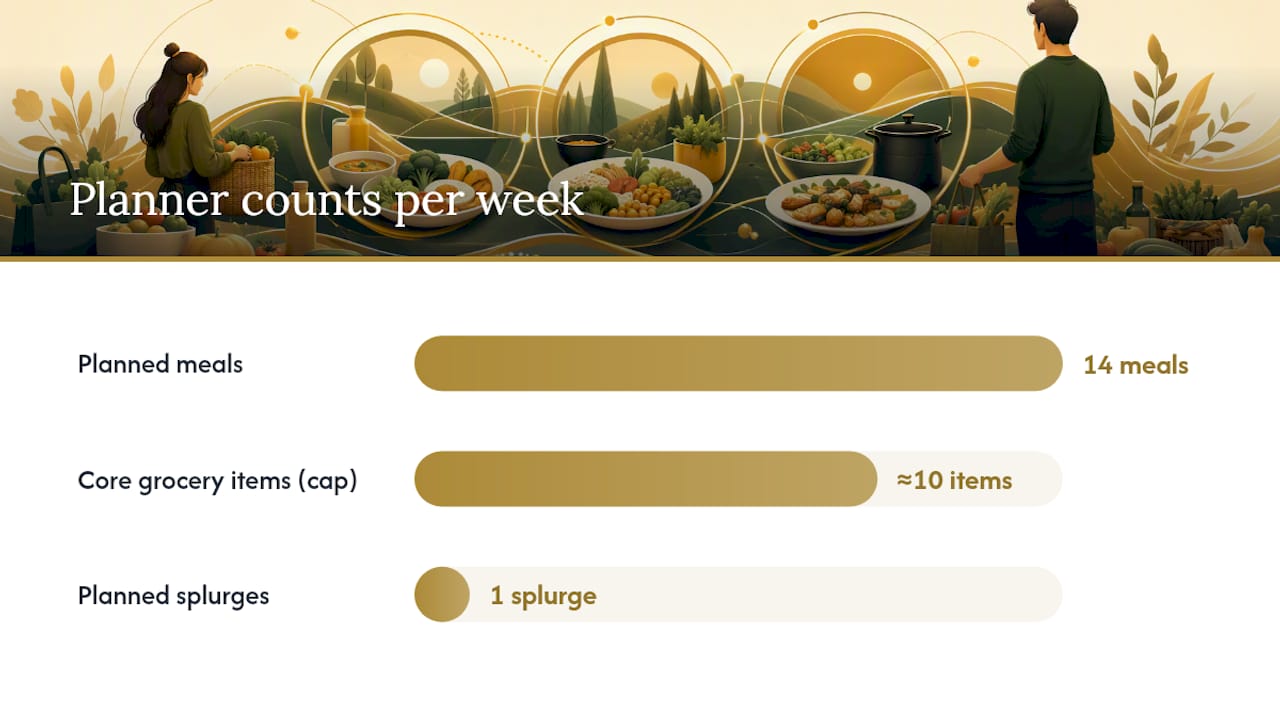
Take your weekly grocery number and divide it by the number of meals you're planning, that's your per-meal target. A $70 weekly budget covering 14 meals gives you a $5 ceiling per plate. Pre-pricing your shopping list against that target before you leave the house tells you immediately whether a recipe fits or needs a cheaper substitution.
Tracking doesn't need to be complicated:
- Snap a photo of your receipt and log the total against your weekly number.
- Keep a simple spreadsheet or use the notes app on your phone.
- Check your running total against your per-meal target before checkout, not after.
A few small anchors make the budget easier to hold onto: pick one planned splurge per week (so you're not white-knuckling every purchase), cap your list at roughly 10 core items, and review your plan every Sunday before you shop. If your family size changes or a big sale hits, adjust the per-meal target that week rather than abandoning the system entirely.
Why Behavior Change Matters for Sticking to a Meal Plan
Grocery lists fail for the same reason budgets fail: nobody plans for the Tuesday night when you're exhausted and Uber Eats is one tap away. The 30-Day Zero-Spend Reset Challenge Workbook tackles that gap directly with daily habit prompts and printable trackers instead of one more spreadsheet nobody opens twice. Users following the program report saving an average of $847 a month, largely by catching the small decisions, a skipped prep session, an impulse order, before they snowball. Pairing a habit trigger ("check tomorrow's dinner before bed") with your weekly meal plan turns groceries from a monthly stressor into a tracked, predictable line item.
A Realistic Note on Sticking With It
You will skip a prep Sunday. You will order takeout on a bad week. That's normal, not failure, and it doesn't erase the savings from the three weeks you did stick to the plan. Start smaller than you think you need to: swap just one restaurant night for a 20-minute stovetop meal, and let that one win build the confidence for the next.
, Omar
Turn Your Meal Plan Into an Actual Habit
A grocery list only saves money if you actually follow it past the first week, which is where most budgeting advice quietly falls apart. Nospendreset's webapp is built for that exact gap: it pairs daily behavioral challenges with the same meal-planning templates and trackers used throughout this guide, so your weekly grocery number and your habits stay in sync instead of drifting apart by Thursday.
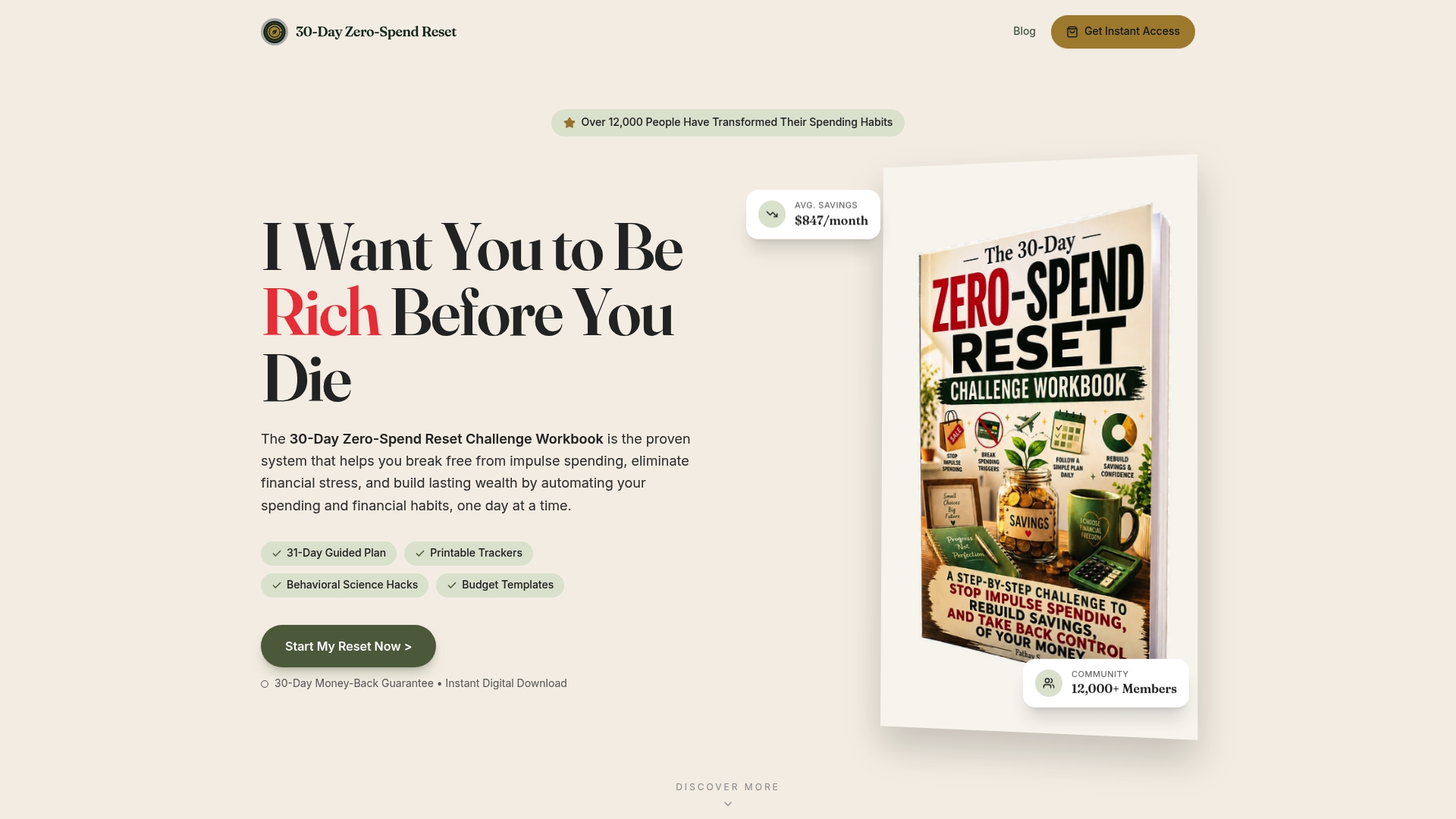
The 30-Day Zero-Spend Reset Challenge Workbook goes a step further, tackling the impulse spending and subscription creep that quietly eat into the grocery budget you just built. If you want the full structured version, start with the Zero Spend Guide for the templates and worksheets, then move into the full workbook when you're ready to lock the habit in for good.
Where to Go for More Budget Meal Help
For official nutrition guidance, MyPlate's budget meal planning tools offer recipes sorted by cost, and SNAP-Ed's planning resources cover shopping and budgeting basics in depth. For household financial organization beyond groceries, My Affairs in Order's planning tips are worth a look, and Nospendreset's Zero Spend Reset Blueprint breaks down the habit framework behind this entire approach.
Sources
Ready to reset your spending?
Get the 30-Day Zero-Spend Reset Workbook and turn these ideas into a daily action plan.
Start the 30-Day ResetThis article is part of the 30-Day Zero-Spend Reset method. Explore the complete day-by-day system behind these ideas.
Read the full guideKeep reading



Join the conversation
Be the first to share your thoughts on this article.