
How to Audit Streaming Services and Recurring Micro Subscriptions to Save Hundreds
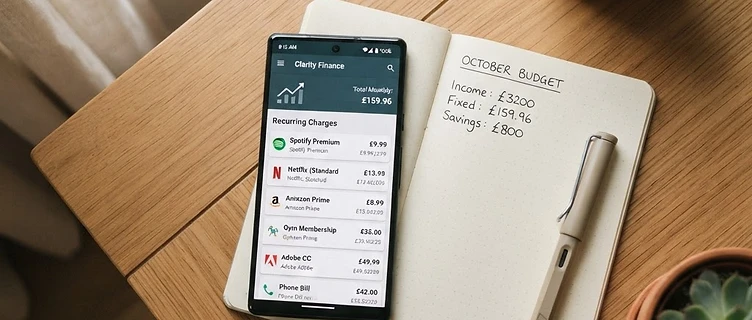
Stop the silent drain on your bank account. Learn how to audit streaming services and recurring micro subscriptions with this step-by-step guide to reclaiming your monthly cash flow.
The Silent Drain: Why Your Subscriptions Are Costing You More Than You Think
If you have ever looked at your bank statement and wondered where your money went, you are not alone. Many people underestimate their total number of active subscriptions by half. Learning how to audit streaming services and recurring micro subscriptions is one of the fastest ways to give yourself an immediate raise. These small, automated charges often fly under the radar, acting as silent budget killers that drain your account while you sleep.
Subscription creep is a modern financial phenomenon. Between streaming platforms, cloud storage, fitness apps, and retail memberships, it is easy to lose track of what you are paying for. When you commit to a behavior first money mindset shift, you stop viewing these charges as inevitable costs and start seeing them as choices. By taking control of your recurring expenses, you can redirect that capital toward your actual financial goals.
Step 1: The Data Collection Phase
Do not rely on your memory to track your subscriptions. Our brains are wired to ignore recurring costs that we have already automated. To get an accurate picture, you need to pull the raw data.
- Export Your Statements: Download your bank and credit card statements from the last three to six months. A single month might miss annual renewals or quarterly charges.
- Check App Stores: Visit your Apple App Store or Google Play subscription settings. Many micro subscriptions for mobile apps are billed through these platforms rather than directly to your bank.
- Search Your Inbox: Use your email search bar to look for keywords like "renewal," "receipt," "subscription," or "membership." This often surfaces forgotten services that are still active.
Step 2: Categorize and Evaluate
Once you have your list, create a simple spreadsheet or a physical list. For every charge, note the vendor, the monthly cost, the annual cost, and the last time you actually used the service. If you are struggling to manage your finances due to executive function challenges, consider using a budget for ADHD adults to keep your tracking system simple and visual.
Categorize your subscriptions into three buckets:
- Essential: Services you use weekly and provide clear value.
- Nice-to-Have: Services you use occasionally but could live without.
- Ghost Bills: Services you forgot you had or have not used in over 30 days.
Step 3: The Aggressive Cut
Now that you have identified your ghost bills, it is time to act. The goal is to eliminate anything that does not actively improve your life. If you find yourself struggling with the urge to keep "just in case" subscriptions, remember that you can always resubscribe later if you truly miss the service.
If you are currently stuck in a cycle of impulse spending, you might find that your subscriptions are tied to your shopping habits. Learning how to stop impulse buying is a critical step in ensuring that you do not simply replace your canceled subscriptions with new, unnecessary purchases.
Step 4: Automate Your Savings
After you have canceled the unnecessary services, do not let that money disappear back into your general spending. The moment you cancel a subscription, set up an automatic transfer for that exact amount into your savings account. This is the core principle of zero-based budgeting, where every dollar is assigned a job before the month begins. By moving the money immediately, you ensure that your audit results in actual wealth building rather than just more "available" cash to spend elsewhere.
Key Takeaways
- Audit your bank statements and app store settings every 90 days to catch price creep and forgotten trials.
- Use a spreadsheet to calculate the annual cost of every subscription, not just the monthly fee.
- Categorize services into essential, nice-to-have, and ghost bills to make decision-making easier.
- Immediately redirect the money saved from canceled subscriptions into a dedicated savings account.
- Remember that canceling a service is not permanent; you can always sign up again if your needs change.
If you are ready to stop the cycle of unconscious spending and build lasting financial habits, the 30-Day Zero-Spend Reset workbook provides the structure you need to audit your life, break the impulse loop, and finally take control of your financial future.
Ready to reset your spending?
Get the 30-Day Zero-Spend Reset Workbook and turn these ideas into a daily action plan.
Start the 30-Day ResetFrequently asked questions
This article is part of the 30-Day Zero-Spend Reset method. Explore the complete day-by-day system behind these ideas.
Read the full guideKeep reading




Join the conversation
Be the first to share your thoughts on this article.